The value of an 11.11 campaign extends well beyond the sale itself. The audience interactions it generates can reveal what consumers want, what drives consideration and where purchase journeys break, giving advertisers a stronger foundation for 12.12 planning.
This matters in Southeast Asia, where shoppers are becoming more value-conscious. A study reveals 87% had changed their shopping habits due to rising living costs, while 56% planned purchases in advance, and only 10% identified as impulse buyers. For advertisers, the opportunity lies in turning these behavioural signals into more informed audience, creative and media decisions.
This is where mobile performance platform Xerxes comes in, helping advertisers translate audience insights into smarter campaign decisions that advance their brand objectives.
Decode Consumer Behaviour & Drive Sales
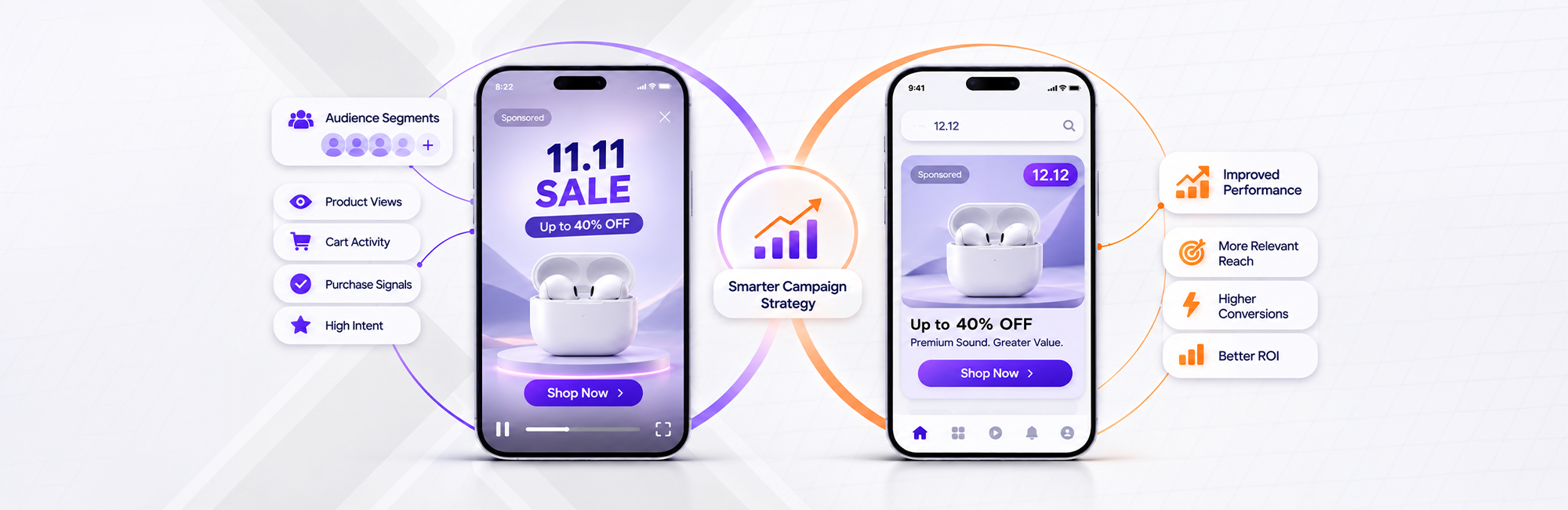
An 11.11 campaign generates considerably more information than performance figures. Product views, repeat visits, cart additions and checkout activity can reveal where consumers are in their purchase journey and what is holding them back.
Consider a shopper who visits a product page several times and adds an item to their cart but doesn’t complete the purchase. That behaviour offers a different indication of interest from someone who clicks an ad and leaves without exploring further. Treating both audiences the same way would mean overlooking an important distinction in their engagement.
The scale of shopping activity in the region makes these insights particularly valuable, with SEA accounting for 37% of global shopping app sessions despite representing 18% of downloads. This suggests that advertisers have considerable opportunities to engage existing shopping audiences, making it important to understand how users interact with products and platforms after acquisition.
Build Audience Segments Around Actual Behaviour
Once these interactions are understood, advertisers can use them to make more meaningful audience categorisers beyond relying on broad demographic or interest-based categories. For a 12.12 campaign, four audience groups offer a useful starting point:
- High-consideration audiences: Shoppers who repeatedly viewed products, added items to carts or initiated checkout. Relevant product reminders and CTA-driven messaging can help bring them closer to a purchase.
- Engaged prospects: Users who clicked ads or explored product categories but showed limited further activity. More informative creatives and stronger product value propositions can help sustain their interest.
- Existing customers: Consumers who completed purchases during 11.11. Their buying patterns can inform complementary product recommendations and repeat-purchase campaigns.
- Newly acquired users: First-time visitors and customers who entered the brand’s ecosystem during 11.11. Understanding their initial interactions can help advertisers identify opportunities for continued engagement.
This matters because audience prioritisation should account for the quality of available signals, campaign objectives and applicable privacy requirements.
Let Audience Insights Influence Creative and Media Decisions
Knowing who is engaged is only part of the exercise. Advertisers also need to understand what attracted their attention and whether the creative approach contributed to further consideration.
If 11.11 results show stronger engagement with certain product categories, promotional messages or creative formats, those findings can inform the 12.12 campaign. For instance, shoppers exploring premium products may respond better to feature-led creatives that explain product value, while those who abandoned checkout may be more receptive to relevant reminders or an appropriate promotional incentive.
This is particularly relevant when consumers are becoming more conscious of their spending. Discounts can attract attention, but product benefits, reliability, transparent pricing and relevance to individual needs all influence consideration.
Take These Insights Where Performance Happens
Audience understanding also needs to influence media planning. Where advertisers choose to reach consumers, the inventory they use and how they optimise campaigns can make a significant difference to outcomes.
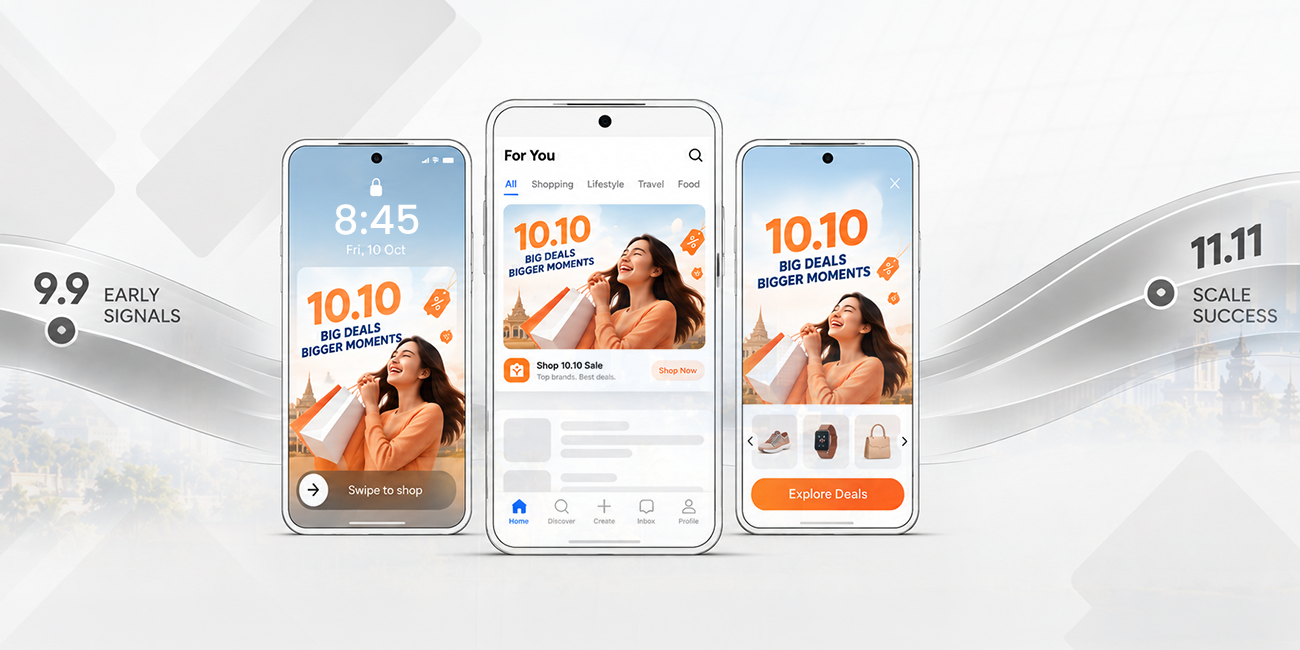
Mobile performance advertising across in-app and OEM environments offers opportunities to connect with audiences across different stages of their mobile experience. Premium in-app inventory provides access to users actively engaging with apps, while OEM placements extend reach across device-level environments, including lock screens, app discovery surfaces and other on-device placements.
Through AI-led mobile performance DSP, Xerxes, advertisers can activate in-app and OEM inventory, leverage relevant audience and device-level signals, and use intelligent optimisation to support user acquisition and conversion objectives.
Importantly, the learnings from 11.11 do not have to translate into individual-level retargeting. Aggregated campaign insights can be equally useful in refining creative choices, identifying stronger inventory opportunities, adjusting bidding strategies and allocating budgets more effectively.
Make Every Campaign Inform the Next
The transition from 11.11 to 12.12 offers advertisers an opportunity to improve how they plan, target and measure their campaigns. The advantage lies in recognising that audience behaviour is more than a reporting metric; it provides direction for the next media decision.
As Southeast Asia’s digital commerce landscape becomes increasingly competitive, advertisers will need to look beyond performance to understand what actually moves consumers towards a purchase. Those who can connect audience intelligence with relevant creative, considered media choices and measurable performance will be better positioned to make every campaign investment count.
With Xerxes, brands can bring audience intelligence, premium in-app inventory and OEM advertising together to build more informed, performance-driven 12.12 campaigns.
Related Post