The biggest opportunity in Indonesia’s Mega Sale calendar may not be the biggest sale day. For advertisers, 10.10 sits between the early signals of 9.9 and the scale of 11.11, creating a valuable window to understand what is working and adjust the media strategy before competition intensifies. With mobile accounting for 69.4% of Indonesia’s e-commerce market share in 2026, it is central to how consumers discover, evaluate and act on Mega Sale opportunities.
Research from Google and Ipsos highlights that over 70% of Southeast Asian shoppers initiate product discovery at least a week prior to a Mega Sale event.The shopping mindset therefore extends well beyond the sale day itself, giving brands time to build awareness, identify interest and prepare consumers for the next purchase opportunity across mobile touchpoints.
Use 10.10 to Refine, Not Reset
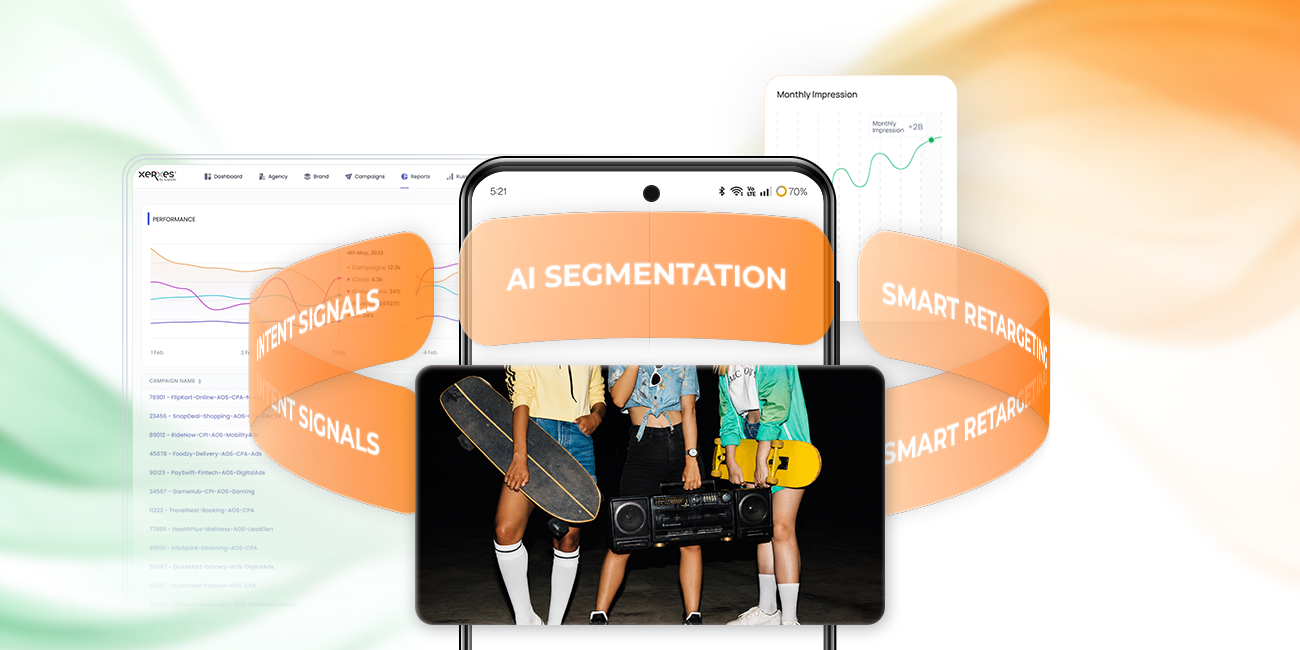
The focus should be on understanding the difference between broad exposure and stronger signals of interest. A user who has watched a video, interacted with a product or visited an ecommerce site may have different needs at the next stage of the journey. Segmenting these audiences allows advertisers to make their messaging more relevant instead of continuing with the same communication across the entire audience.
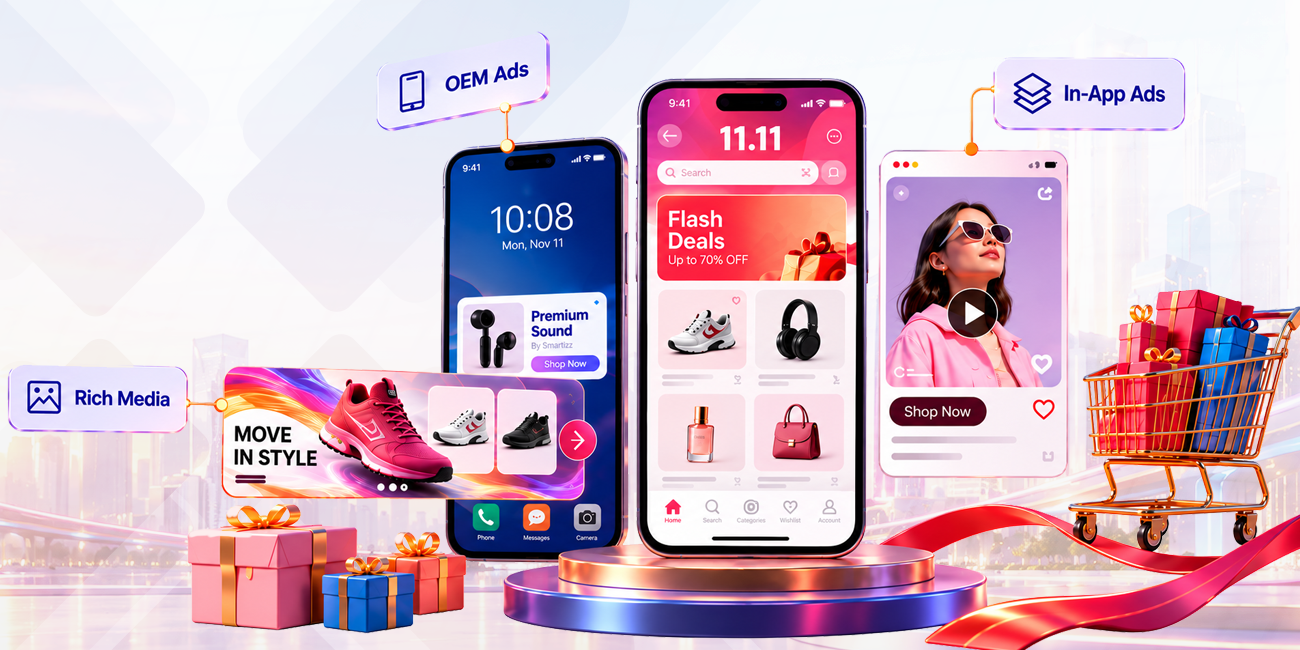
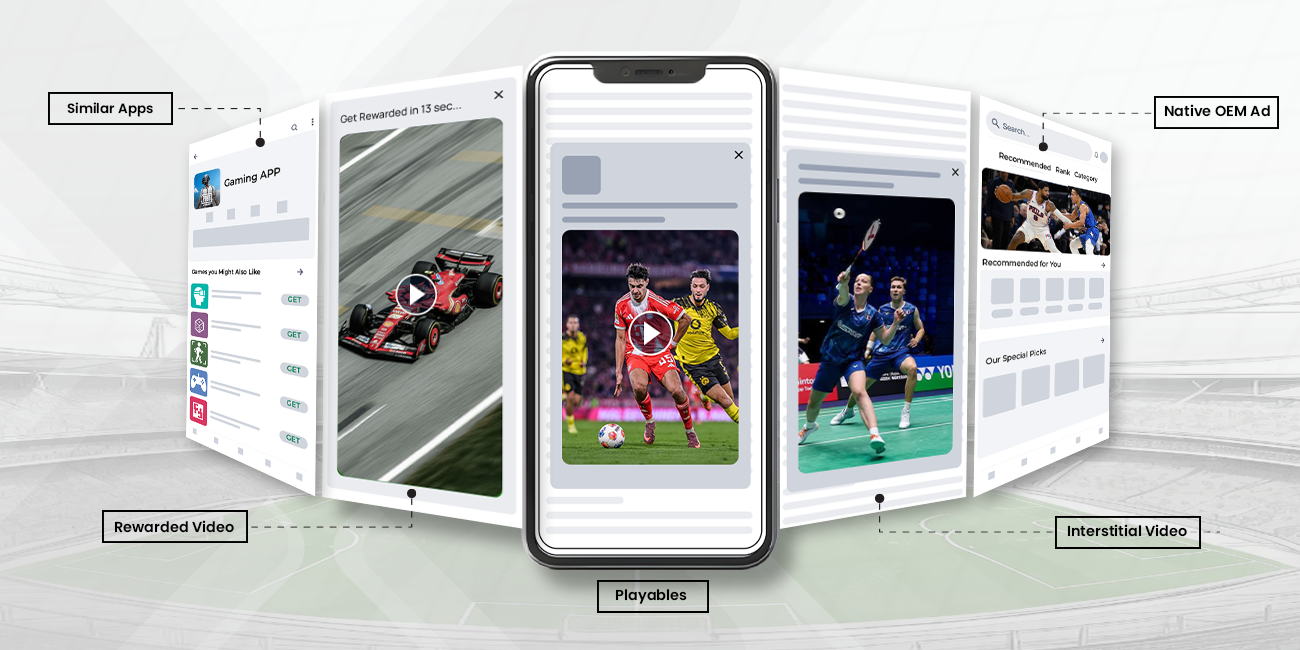
Maximizing this window requires a dual-layered mobile strategy: utilizing OEM environments for device-level discovery, alongside targeted in-app inventory to capture high-intent users. OEM environments can provide early visibility through device-level placements, while in-app inventory can help brands engage users as they browse, consume content and move closer to a purchase decision. Rich media adds to this consideration layer by giving brands a way to communicate offers and product propositions with greater depth than standard display formats.
For 10.10, this means using the campaign as a practical opportunity to refine audience strategy ahead of 11.11, when media competition and consumer activity are likely to be higher.
Let Audience Signals Shape the Message
Indonesian consumers are increasingly navigating shopping through connected digital experiences, with value, convenience, social influence and trust all playing a role in purchase decisions. A study of Indonesian digital consumers found that platform preferences vary across generations: Gen Z is more inclined towards visual, discovery-led environments, while older consumers place greater emphasis on structured navigation, security and trust.
Early-stage audiences can be introduced to the product and its value, while engaged users can receive more product-focused communication. Audiences showing stronger purchase signals can then be moved towards promotional messaging as 10.10 approaches. This progression gives each message a clear role and reduces the need to repeat the same sale creative throughout the season. It also gives advertisers an opportunity to understand which propositions are creating stronger responses before the 11.11 campaign is fully scaled.
Why Mobile Matters More at 10.10
Indonesia’s digital advertising market is forecast to grow at a 5.70% CAGR over the next five years, with mobile advertising emerging as a key driver. During 10.10, mobile offers a convenient way to reach consumers as they discover offers, compare products and move closer to purchase. With 81% of Indonesian consumers purchasing during double-date Mega Sales, the opportunity for brands to engage potential shoppers on mobile is even greater.
OEM placements can create visibility at the device level through environments such as lock screens, App Vault and other discovery surfaces. In-app inventory can then help brands engage users while they browse content and use mobile apps. As intent strengthens, performance campaigns can shift towards measurable actions such as installs, registrations and purchases.
Use Rich Media to Test What Engages
10.10 is also an opportunity to test how the brand tells the story, not only who it reaches. Rich media can make that story more interactive, using formats built around swipe, hotspots, sliders, carousels, games, AR and other immersive experiences to move consumers beyond passive exposure. For 10.10, brands can use these experiences to showcase product features, highlight offers or create interactive ways to explore a product before the purchase decision.
Also, Heatmaps, gesture analytics, A/B testing and dynamic creative optimisation can help advertisers understand how consumers interact with different experiences and refine them in real time. With rich media delivered across in-app, OEM and other digital environments, 10.10 becomes an opportunity to identify the formats, messages and interactions that generate stronger engagement and carry those learnings into the bigger 11.11 campaign.
Prepare for the Final Mega Sale Moment
The most important outcome of 10.10 may come after the sale. Campaign data can show which audiences demonstrated stronger intent, which creative generated meaningful engagement and where users dropped out before conversion. Audiences that engaged but did not purchase can be considered for retargeting, while strong-performing creative and audience segments can receive greater emphasis during 11.11.
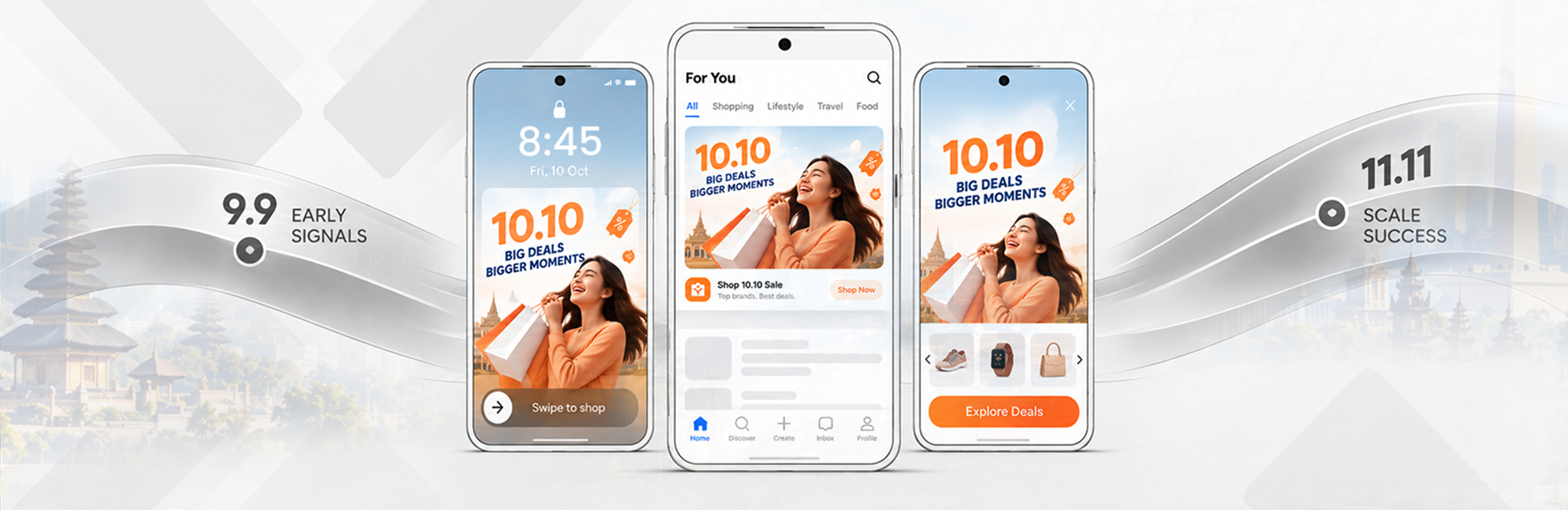
This matters because the 11.11 environment is likely to be more competitive. Research describes Indonesia as Southeast Asia’s largest digital advertising market by Q1 impressions and highlights the importance of high-frequency campaigns around major commerce moments such as 9.9 and 11.11. Ultimately, market leadership during peak shopping seasons stems not from omnipresence across every sale date, but from systematic iteration: 9.9 captures initial signals, 10.10 optimizes execution, and 11.11 scales proven strategies
9.9 creates the early signals. 10.10 helps refine them. 11.11 is where advertisers can scale what has demonstrated relevance.
11.11 may be the final test, but the decisions that shape it start much earlier.
Related Post