
The weeks after Diwali offer advertisers an opportunity to reach consumers who are still researching products, considering purchases or waiting for the next shopping occasion. YouGov’s festive shopping research found that 33% of surveyed urban Indian shoppers deliberately delay purchases until major festive sales, while another 16% buy only during these events. With planned spending spanning fashion (47%) and grocery and food or sweets (36%), consumer demand can follow different timelines across categories, creating opportunities beyond the festive peak.
Yet media plans often focus heavily on Diwali, with less attention to what follows. Advertisers need to understand which audiences are still in-market, what motivates their next purchase, and where relevant advertising can influence their decisions. Abandoned carts offer a clear opportunity to re-engage shoppers who showed purchase intent with relevant reminders or offers across in-app and OEM placements.
Why post-festive demand deserves attention
Google research highlights that nine in ten surveyed festive shoppers who made a purchase said they had researched beforehand, averaging 8.3 search queries and 7.7 online videos during their shopping journey.
Consumers who have already explored a product may still need additional information, reassurance, or a relevant reason to buy. Re-engagement campaigns can help brands reconnect with these audiences, while contextual native ads support product discovery among consumers who are still evaluating their options.
Three ways to make post-festive media work harder
1. Follow consumer intent when reallocating budgets
The first step is to review festive campaign performance and identify where demand remains. Product views, abandoned carts, repeat visits, app engagement, and remarketing conversions can help advertisers understand which audiences may still be considering a purchase.
Advertisers can then match their media choices to these signals. For example, a shopper who has explored a product category may benefit from relevant content that supports product discovery, while an existing app user may respond better to a timely offer or a reason to return.
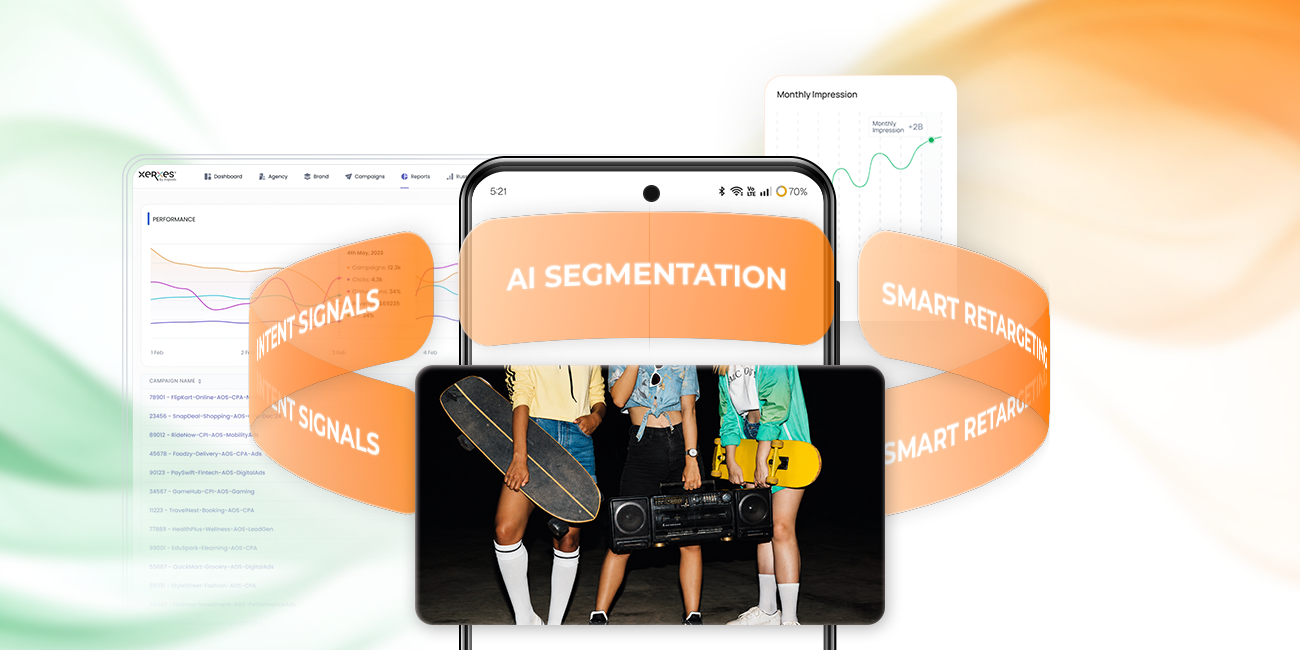
With Xerxes, advertisers can use native ads to deliver relevant brand messages within content experiences, rather than relying solely on conventional display formats. The objective is to align advertising with the context in which consumers discover information while keeping campaigns focused on measurable business outcomes.
2. Extend reach beyond conventional web placements
Mobile remains an important part of the purchase journey. IAS’s Festive Buying Report India 2026 found that 83% of surveyed consumers identified mobile as their most-used device for online shopping.
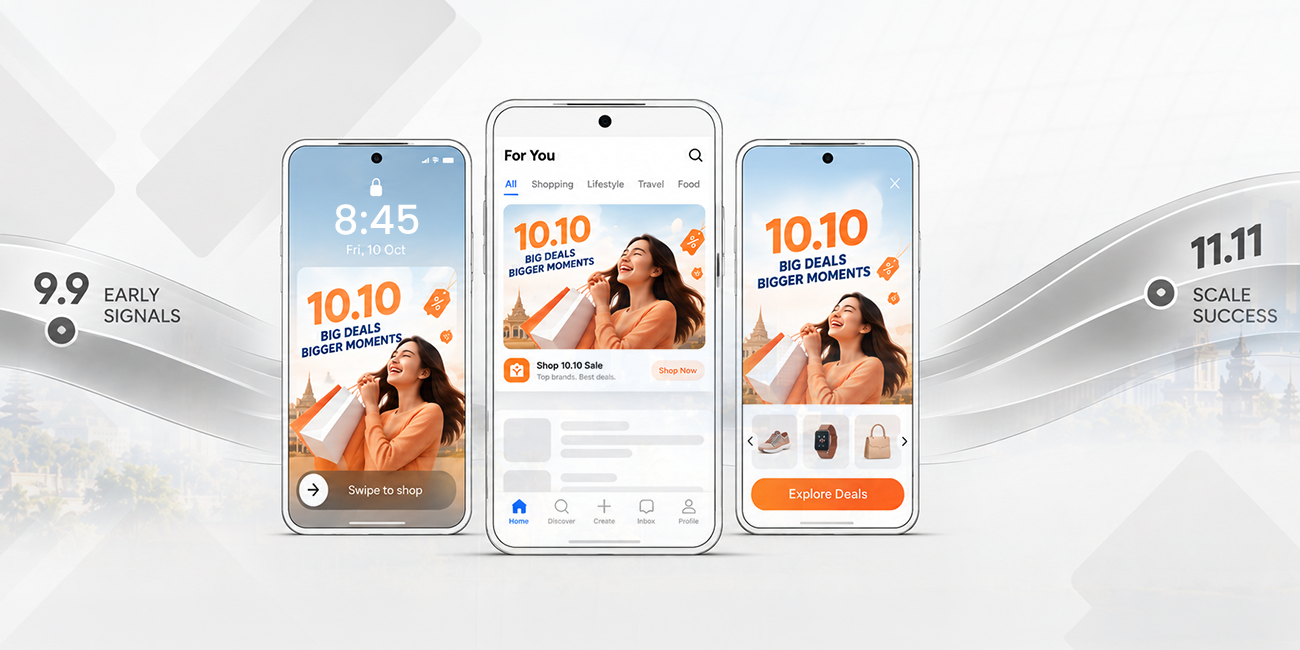
Reaching mobile audiences involves more than in-app ads and browser-based placements. OEM ads create additional opportunities to reach consumers through supported device environments, including newsfeeds and recommendation surfaces. These placements can complement native ads across publisher content, extending brand visibility beyond conventional web inventory.
For Xerxes, the value lies in helping advertisers integrate publisher and OEM environments into a broader media strategy, with placement choices guided by campaign objectives, audience relevance, and available inventory. Native publisher placements can support discovery within content experiences, while OEM placements can introduce brands through device-level discovery environments.
3. Adapt creative to the next purchase Occasion
A message built around Diwali discounts may not be as relevant when consumers begin planning wedding purchases, travel, or year-end shopping. Creative should evolve with the audience’s next likely purchase occasion.
For advertisers, the practical lesson is to align creative with both the audience and the environment. A product-led message may work well within a relevant content experience, while a timely offer may be more appropriate for an audience that has already shown purchase intent.
Xerxes helps advertisers bring these decisions together through native-first media planning across relevant publisher and OEM environments, using performance measurement to guide optimisation. The emphasis should remain on the quality of each interaction and its contribution to campaign goals.
Make the post-festive period part of the plan
Post-festive ads should be measured against objectives such as re-engagement, acquisition, repeat purchases, and revenue contribution. Advertisers also need to understand whether campaigns are generating new demand or converting audiences who were already interested.
For Xerxes, the opportunity is to help brands take a broader view of mobile advertising by connecting contextual relevance and native creative with device-level discovery beyond the web.
The next phase of festive growth depends on understanding what consumers need next, where they can be reached, and which media experiences can turn existing interest into measurable outcomes.
Related Post