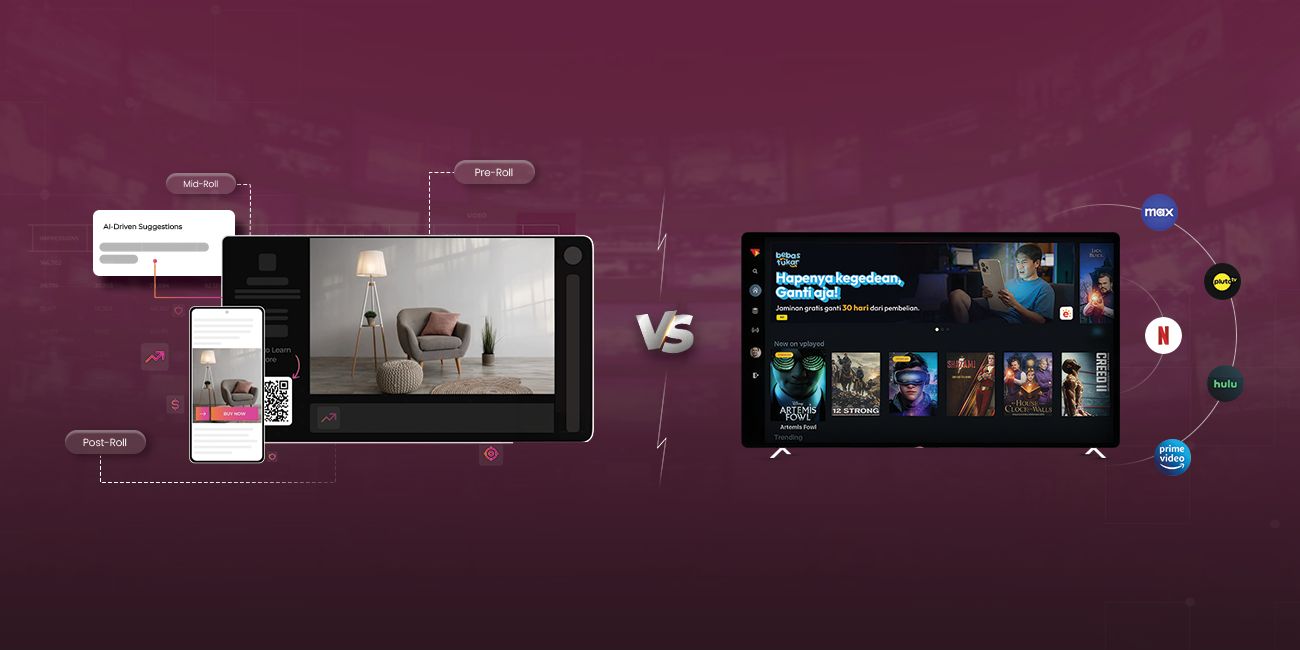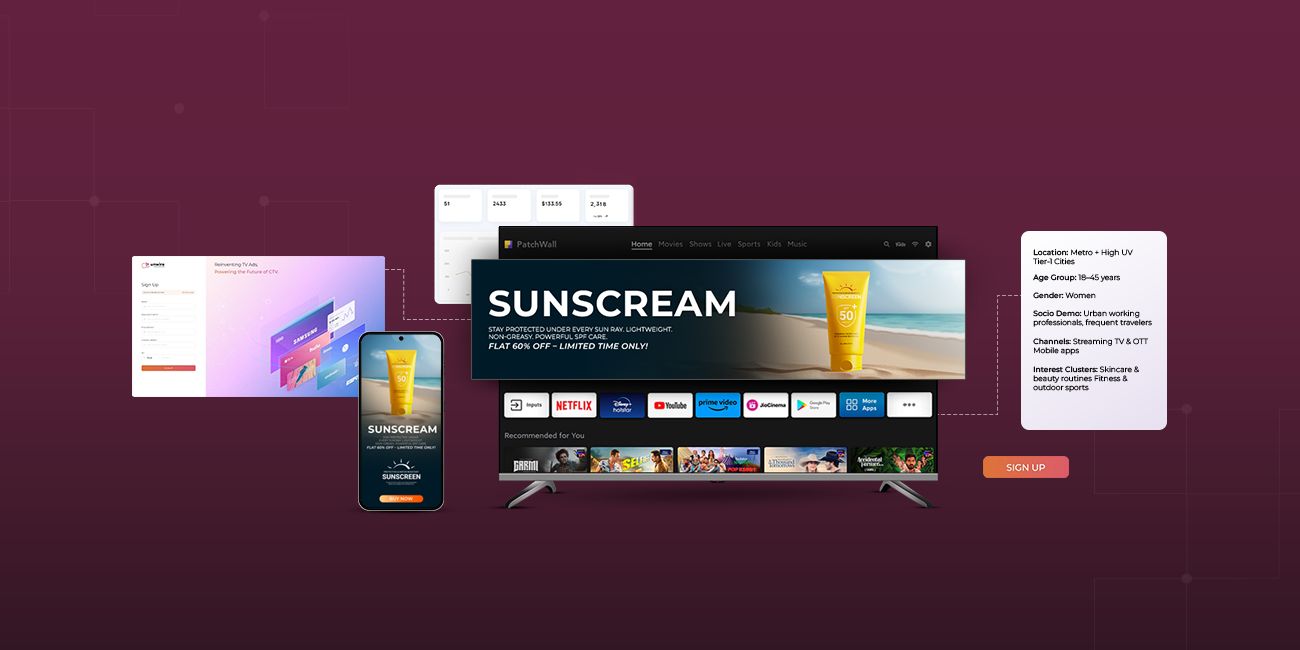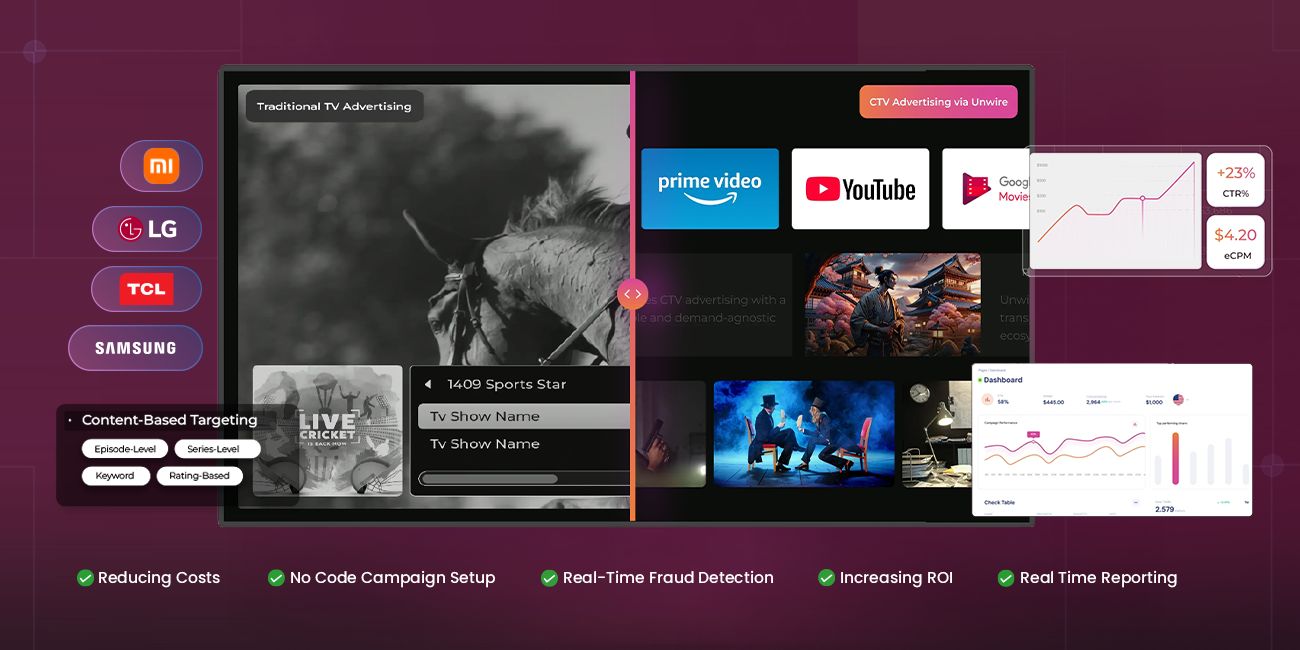
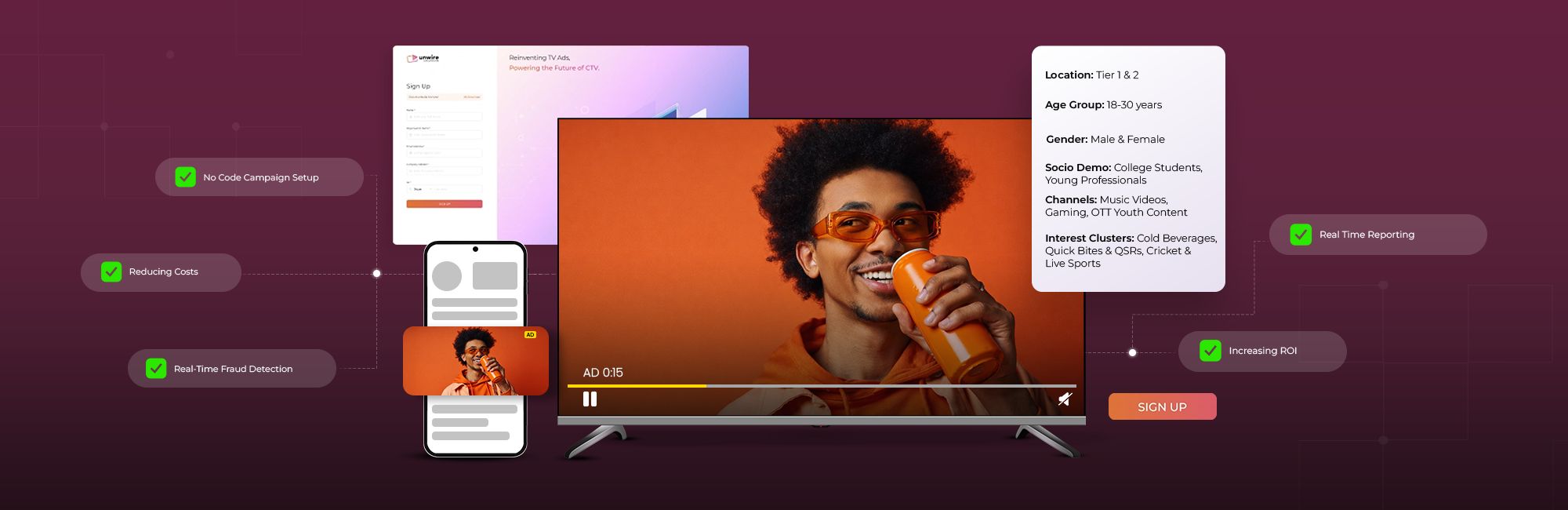
Billions of advertising dollars are moving right now. Not next year. Not eventually. Right now. Advertisers are pulling money from traditional channels and pouring it into Connected TV advertising at a pace that would have seemed impossible five years ago.
According to eMarketer’s CTV advertising forecast, U.S. CTV ad spending surpassed $30 billion in 2024, marking a 17% increase from the previous year. By 2027, spending will exceed $40 billion. Globally, CTV advertising revenue reached over $29 billion in 2024 and will hit $38 billion by 2027. These aren’t small shifts. They represent a fundamental change in where smart advertisers allocate budgets.
As budgets shift toward streaming platforms, marketing teams increasingly evaluate whether CTV advertising delivers measurable results that justify the investment.
This guide explains exactly why CTV advertising works. Not vague promises. Not marketing hype. Twelve concrete benefits backed by real data. According to an Interactive Advertising Bureau (IAB) and Advertiser Perceptions study cited by eMarketer research on budget shifts to CTV, 4 in 10 agency and marketing professionals have shifted advertising budgets from linear TV to connected TV platforms. Brands will see which benefits matter most for specific business objectives. Marketing teams will know whether CTV deserves budget allocation.
Overview: Why CTV Advertising Matters Now
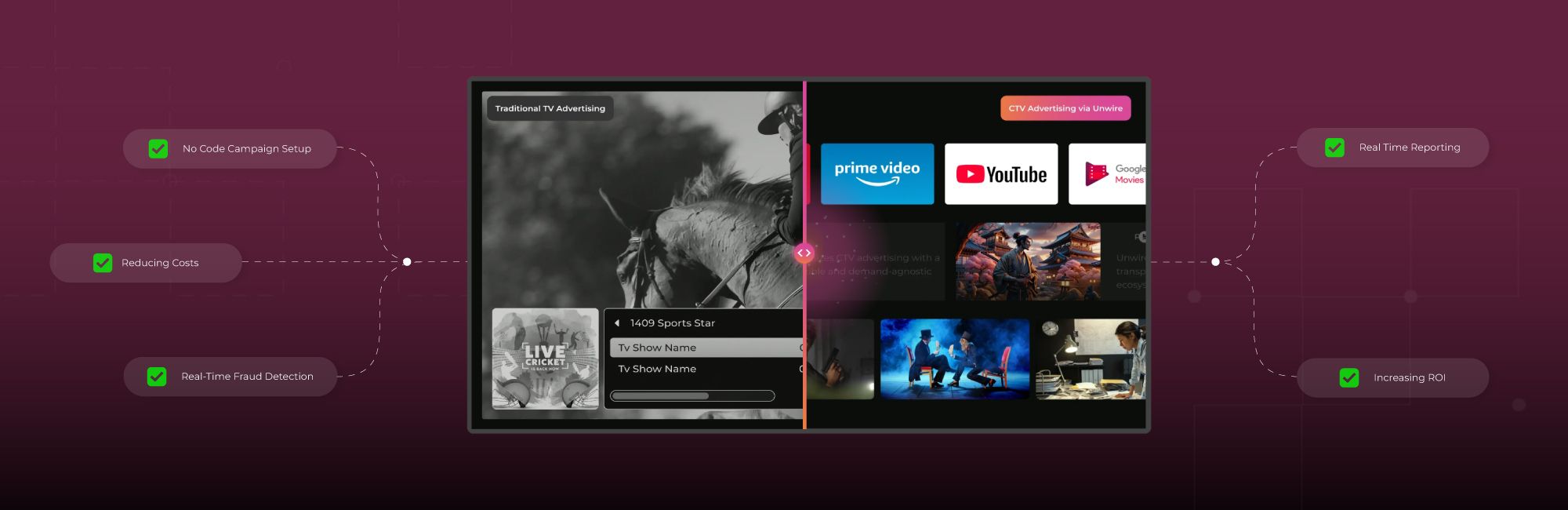
The Shift from Traditional to Connected TV
Viewing habits have changed fundamentally. The shift happened gradually at first, then suddenly everything flipped.
According to Statista’s research on CTV advertising, 117 million U.S. households owned at least one internet-connected TV device in 2025. That represents nearly every household in America. Viewers aren’t just trying streaming as a novelty. Viewing habits have completely transformed.
Where are advertising budgets going? Follow the eyeballs. Audience targeting capabilities constitute the main reason marketers shift budgets from linear TV to CTV. Not cost savings. Not convenience. The ability to target specific audiences drives budget shifts more than anything else.
Why is 2026 the tipping point? Because crossing this threshold changes everything. When CTV becomes the dominant way households watch television, advertisers can’t afford to ignore it anymore. The channel shifts from “nice to have” to “must have” practically overnight.
What Makes CTV Different from Other Channels
CTV offers something unique. It’s not just another digital channel. It’s not traditional TV delivered differently. It combines advantages from both worlds while avoiding their biggest weaknesses.
Premium viewing environment sets CTV apart. Viewers watch CTV on their biggest screens in their homes. They sit on couches, not scrolling through phones simultaneously. Households give the screen full attention in ways they don’t with other digital channels.
Non-skippable format advantages drive results. Most CTV ads play completely without skip buttons. Viewers watch entire messages. Compare that to pre-roll video on websites where viewers skip after 5 seconds. The completion rates aren’t even close.
Big screen engagement psychology creates a different viewing mindset. When households watch streaming content on TVs, they’re in “lean-back” mode. Viewers have intentionally decided to watch. They’re relaxed and receptive. This psychological state makes them more open to advertising messages than when hurriedly scrolling social media.
Benefit #1: Superior Audience Reach and Scale
Massive and Growing Audience Base
The numbers tell a clear story. 117 million U.S. households had CTV access in 2025. That’s not a niche audience. That’s mainstream America.
Reaching cord-cutters and cord-nevers gives advertisers access to audiences traditional TV lost years ago. Millions of people canceled cable subscriptions. Millions more never had cable at all. They went straight to streaming. Traditional TV can’t reach these viewers. CTV can.
Demographics of CTV viewers span all age groups. According to Statista’s marketing research, 58% of marketers cite reaching younger audiences as a key advantage of CTV. But it’s not just young people. Baby Boomers use CTV actively. The platform reaches audiences from 18 to 65+ effectively.
Access to Premium Content Environments
Streaming service inventory places brand ads in highly desirable contexts. Hulu, Peacock, Paramount+, Disney+, and others all offer premium shows and movies. Ads appear next to content households actively choose to watch.
FAST channel reach expands advertising options. Free Ad-Supported Streaming TV channels like Tubi, Pluto TV, and Roku Channel deliver massive audiences. Viewers get free content. Advertisers get scale.
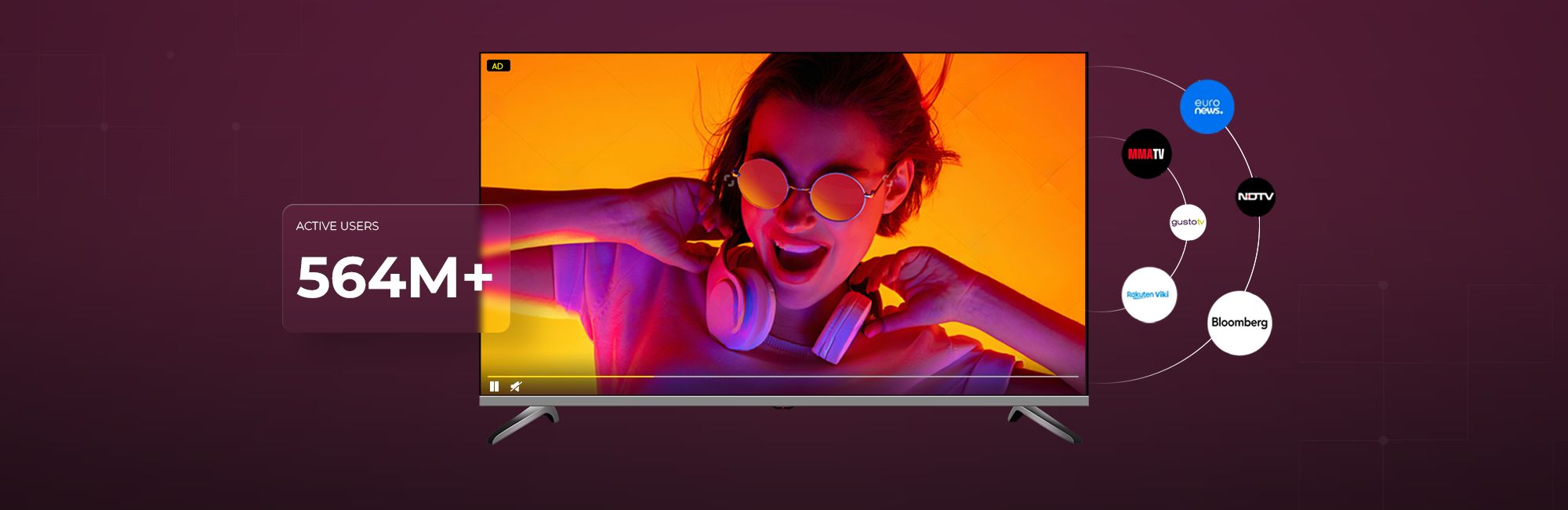
OEM platform scale opens unique opportunities. Through Mi.Xapads, Xapads Media provides access to Xiaomi’s home screen placements, reaching 564 million+ active users across 272 countries. These home screen ads capture attention before viewers even select content.
Reaching Unreachable Audiences
Audiences who abandoned cable represent a massive opportunity. These viewers didn’t stop watching television content. They just changed how they watch it. CTV lets advertisers reach them again.
Younger demographics who never had cable form an entirely new audience segment. People under 35 never developed traditional TV habits. They grew up with streaming. For brands targeting them on television, CTV is the only option.
Multi-generational appeal means one channel reaches entire target markets. Advertisers don’t need separate strategies for different age groups. CTV reaches everyone from Gen Z through Baby Boomers in one platform.
Benefit #2: Precision Targeting Capabilities
Household-Level Targeting
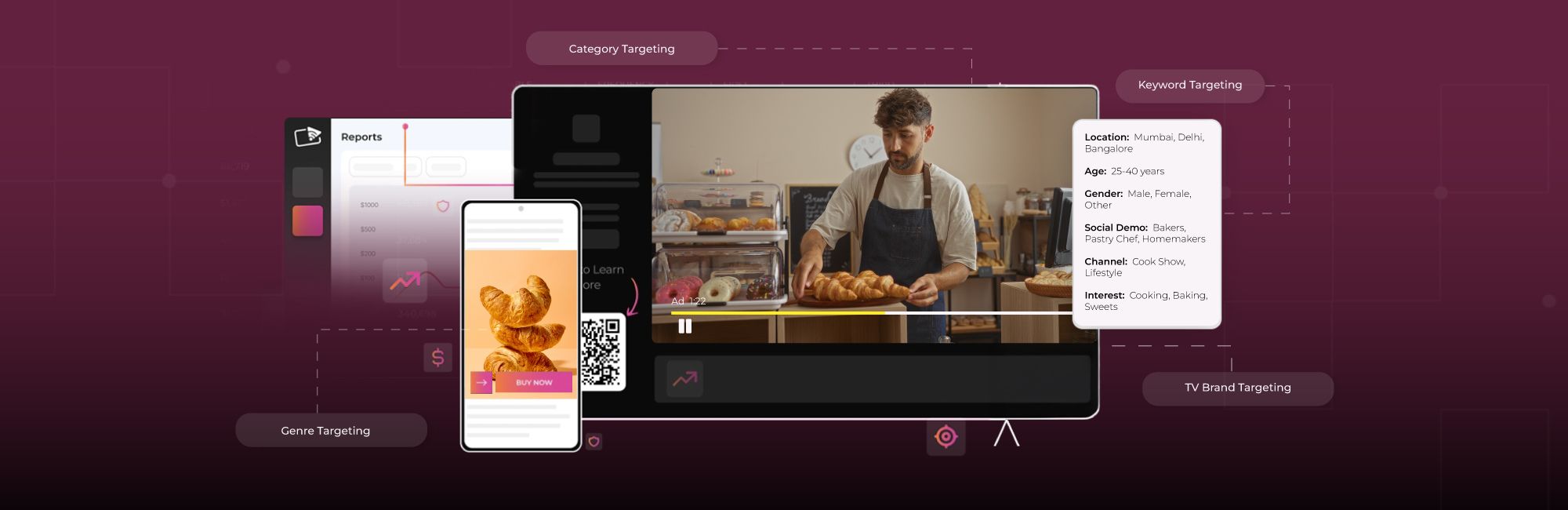
Device-based targeting gives advertisers precision that traditional TV never achieved. Every CTV device carries a unique identifier. Platforms use these identifiers to reach specific households based on their characteristics without tracking personal identities.
IP address signals enable accurate geographic targeting. Advertisers target only Chicago. Only specific zip codes within Chicago. IP-based identification delivers that precision automatically.
Viewing behaviour adds depth on top of household-level signals. Streaming platforms analyse content choices, genre preferences, and watch patterns to build audience profiles. Advertisers use these behavioural signals to reach households that match campaign objectives without relying on any individually identifying data.
Geographic Targeting Flexibility
National to zip code level targeting puts advertisers in complete control. Run national campaigns. Or target single neighborhoods. The same platform handles both approaches effortlessly.
Local business advantages make CTV accessible to businesses of all sizes. A local restaurant can advertise only in its delivery area. No wasted impressions on viewers 50 miles away who’ll never visit. Traditional TV could never deliver this precision.
Regional campaign customization lets brands tailor messages to different markets. Show snowboard ads in Colorado. Show surfboard ads in California. Same campaign, different creative, precise geographic targeting.
Demographic and Behavioral Targeting
Age, income, and interests all become targetable parameters. Streaming platforms collect rich data about viewing habits. They infer demographic characteristics from content choices. Campaigns target audiences precisely based on who they are and what they watch.
Viewing history patterns reveal purchase intent. Someone watching home improvement shows probably considers home projects and interior-based buys. Someone watching cooking shows might need kitchen products or ingredients. Behavioural targeting matches ads to demonstrated interests.
Purchase intent signals let campaigns reach viewers at perfect moments. If viewing patterns suggest someone’s shopping for a car, car ads appear. If they’re researching vacations, travel ads show. Timing matters. CTV delivers it.
Contextual Targeting Advanced Methods
Content genre targeting goes beyond basic categories. Campaigns can target specific genres like comedy, drama, or documentary. But also subgenres. British mysteries. Korean dramas. Nature documentaries. The precision available now would shock advertisers from just five years ago.
Program-level precision lets campaigns target specific shows or episodes. Want ads during cooking competition finals? Done. Want to avoid political content? Excluded automatically. Advertisers control exactly where ads appear.
Mood and sentiment matching takes targeting even further. Unwire.tv by Xapads offers context-based targeting that analyzes video content to understand emotional context. A romantic scene gets paired with appropriate ads. An action sequence gets different ones. The system matches ad tone to content tone automatically.
Benefit #3: Exceptional Completion Rates
Industry-Leading Viewability
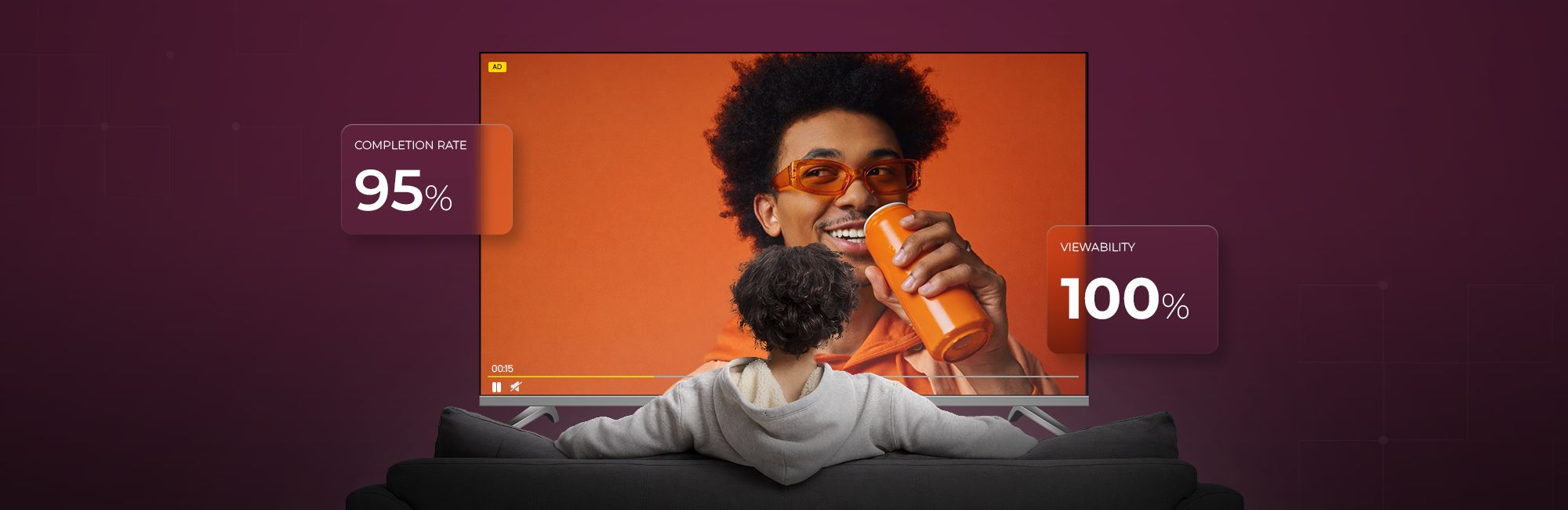
Completion rates above 95% set CTV apart from every other digital video format. When ads play on CTV, viewers watch them completely. Compare that to mobile video (60-70% completion) or desktop video (40-50% completion). The difference is massive.
Non-skippable format advantages mean complete messages get delivered. On other platforms, viewers skip after 5 seconds if allowed. On CTV, most ad formats play without skip buttons. The 30-second story gets told completely, not just the first 5 seconds.
Unwire.tv achieves 100% viewability across premium channels through careful ad insertion methods. That’s not a typo. One hundred percent. Every ad impression meets viewability standards. Try getting that with display advertising or mobile video.
Engaged Viewing Context
Connected TV advertising appears within long-form streaming content that audiences intentionally choose to watch. This viewing context creates a more focused setting compared with fast-scrolling digital platforms.
CTV ads appear on the largest screen in the household during uninterrupted content playback. Viewers typically watch streaming programmes in a lean-back setting rather than multitasking across multiple applications. This format allows advertising messages to appear in full-screen placements with limited distraction.
Premium streaming content also strengthens brand perception. When ads appear alongside professionally produced shows and films, the association with high-quality content can positively influence how audiences perceive the brand.
Benefit #4: Advanced Measurement and Attribution

Real-Time Performance Tracking
Impression and completion tracking give advertisers instant visibility. Brands don’t wait days for reports. Impressions accumulate in real-time. Completion rates update live.
Immediate dashboard visibility means campaigns can respond quickly. Campaign performing poorly? Adjust targeting immediately. Creative underperforming? Swap it out same-day. Real-time data enables real-time optimization.
Campaign optimization capabilities let platforms improve performance continuously. The platform learns from every impression. Algorithms identify what’s working. The budget automatically shifts to top performers.
Cross-Device Attribution
Connecting TV exposure to mobile and desktop actions solves attribution challenges. Someone sees a CTV ad. Thirty minutes later they search for the product on their phone. Attribution systems connect these events across devices.
Household-level conversion tracking provides clarity. When anyone in a household takes action after seeing a CTV ad, attribution systems can link that action to the TV impression. Advertisers see complete household-level impact.
Multi-touch attribution models show CTV’s role in customer journeys. Maybe CTV introduces the brand. Social media builds consideration. Search captures the conversion. Multi-touch attribution credits each channel appropriately.
Business Outcome Measurement
Website visit tracking connects TV to digital actions. Unique promo codes, custom landing pages, or attribution technology all track website visits from CTV exposure. Brands prove direct impact on web traffic.
Store visit attribution measures foot traffic impact. For businesses with physical locations, attribution partners measure whether households exposed to CTV ads visit stores more frequently than unexposed households.
Direct sales impact measurement ties advertising to revenue. The ultimate metric. When brands can prove CTV ads drove actual sales, the ROI calculation becomes crystal clear.
Benefit #5: Budget Flexibility and Accessibility

Lower Entry Barriers Than Traditional TV
No minimum spend requirements with self-serve platforms democratize CTV. Traditional TV required massive budgets. National campaigns needed millions. Even local campaigns required tens of thousands. Self-serve CTV platforms accept much smaller budgets for testing.
Programmatic buying efficiency reduces waste. Platforms bid only on impressions matching target audiences. No paying for broad reach campaigns. Programmatic precision means every dollar works harder.
Small business accessibility levels the playing field. A local bakery can now run CTV campaigns targeting just their neighborhood. They compete with national brands on the same platform without needing enterprise budgets.
Flexible Budget Control
Daily budget caps prevent overspending. Set a maximum daily spend. The platform never exceeds it. No surprises. No budget overruns at month-end.
Real-time pacing adjustments let campaigns adapt instantly. Campaign performing well? Increase budget mid-day. Performance slowing? Pull back spending. Traditional TV’s rigid schedules never allowed this flexibility.
Spend only what campaigns need based on results. If a campaign hits its goal early in the month, spending can stop. Advertisers don’t commit to volumes they might not need.
Cost-Effective CPMs
Better value than premium digital formats gives CTV a cost advantage. Yes, CTV CPMs run higher than display advertising. But they’re lower than many premium digital video placements while delivering better completion rates and attention.
Higher ROI than many channels justifies the cost. Don’t just compare CPMs. Compare outcomes. When CTV drives more conversions per impression, higher CPMs become irrelevant. Total ROI matters more than cost per impression.
Transparent pricing models let advertisers understand exactly what they’re paying. Platforms show complete cost breakdowns. No hidden fees. No opaque pricing. Advertisers see exactly where money goes.
Benefit #6: Brand Safety and Quality Environment
Premium Content Association
Professional streaming content creates positive brand associations. Ads appear during high-quality shows households actively chose to watch. That context matters. Brands benefit from association with premium entertainment.
Brand-suitable environments protect reputation. CTV platforms curate content carefully. Even ad-supported content maintains quality standards. Brands appear in contexts they’re proud to be associated with.
Implicit credibility benefits flow from placement. When viewers see ads during their favorite show on a major streaming service, it lends brands credibility. The streaming service’s brand equity transfers partially to advertisers.
Advanced Fraud Prevention
Low fraud rates versus display and video advertising protect budgets. According to Statista’s digital advertising research, while CTV does face fraud challenges globally, rates are significantly lower than display advertising when proper verification is used.
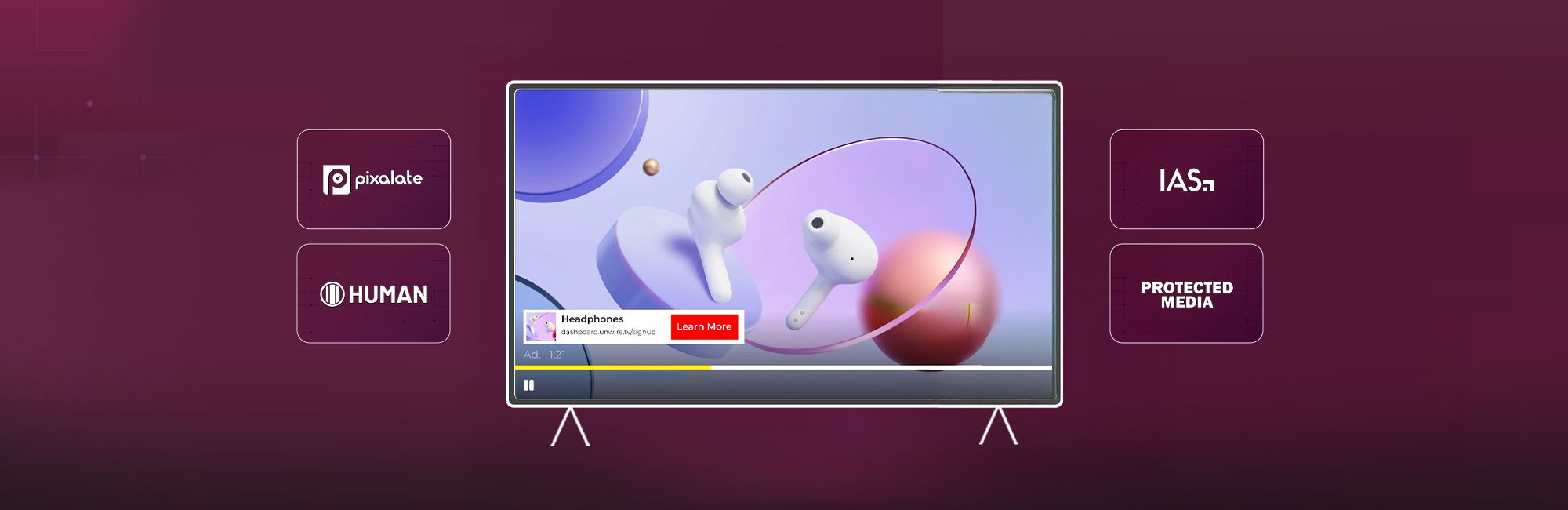
Verification partner integration protects every impression. Xapads Media integrates verification partners like HUMAN and Pixalate across its CTV inventory. These partners detect fraud before and after ad delivery.
Unwire.tv maintains 99%+ fraud-free delivery through continuous monitoring. Nearly every dollar reaches real human viewers. Compare that to channels where 10-20% of the budget can disappear due to fraud.
Content Control and Filtering
GARM-compliant brand safety follows industry standards. The Global Alliance for Responsible Media framework provides standardized categories. GARM-compliant platforms let advertisers exclude inappropriate content categories consistently.
Category exclusions give advertisers control. Don’t want ads next to news? Exclude it. Avoid adult content? Blocked automatically. Sensitive topics? Filtered out. Brands define what’s appropriate for their reputation.
Publisher whitelisting options let advertisers choose exactly where ads appear. Approve specific streaming services or channels. Ads only appear on approved lists. This control protects brand reputation completely.
Benefit #7: Creative Flexibility
Multiple Ad Format Options
Standard video (15s, 30s, 60s) gives advertisers familiar formats. Start with what works. Traditional TV-length commercials work perfectly on CTV. Existing video assets probably work with minimal modification.
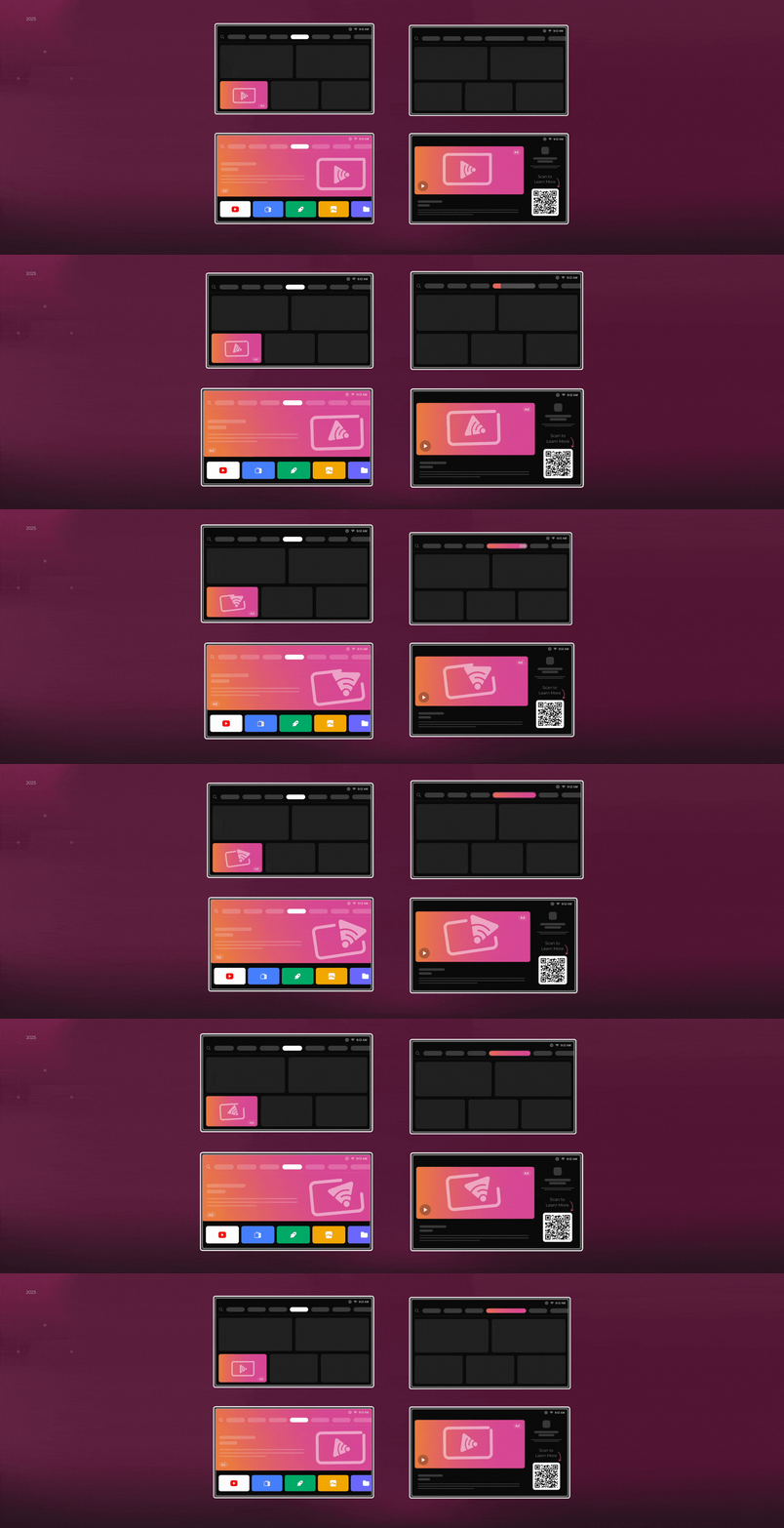
Interactive formats with QR codes add engagement options. According to eMarketer’s social media research, nearly two-thirds of U.S. social network users watch TV while scrolling second screens. QR codes let them act immediately on their phones while watching TV ads.
Pause screen ads capture attention during natural breaks. Unwire.tv offers pause screen advertising that appears when viewers pause content. Lower cost than video ads, high visibility during extended pauses.
Home screen placements catch viewers before content starts. Mi.Xapads provides access to Xiaomi home screen advertising, showing brands the instant people turn on their TVs.
Dynamic Creative Optimization
Real-time creative personalization adapts ads automatically. Show different product images to different viewers. Adjust pricing displays based on location. Personalize call-to-action based on audience segment. Everything happens automatically.
A/B testing automation runs continuously. Show version A to half the audience. Show version B to the other half. The system tracks which performs better and shifts traffic to the winner automatically.
Performance-based rotation ensures top performers get more airtime. If creative A converts 50% better than creative B, the algorithm shows creative A more often. Manual adjustments aren’t needed. Performance dictates rotation automatically.
Quick Creative Updates
Same-day creative swaps give campaigns agility. Need to change messaging based on news events? Swap creative same-day. Traditional TV would take weeks. CTV makes it happen in hours.
Message flexibility lets brands respond to market conditions. A competitor launched a promotion? Respond immediately. Seasonal event approaching? Update creative morning of. Speed matters in competitive markets.
Seasonal adaptation ease keeps messaging fresh. Holiday creative swaps in without campaign disruption. Summer promotions replace spring ones seamlessly. Creative updates don’t interrupt campaign momentum.
Benefit #8: Enhanced Engagement Through Interactivity

QR Code Integration
Second-screen engagement statistics show massive opportunity. With most viewers having phones in hand while watching TV, QR codes bridge the TV-to-mobile gap instantly.
Direct response capabilities turn passive viewing into immediate action. See product. Scan code. Land on the product page. Add to cart. Purchase. The journey from TV ad to sale happens in seconds.
Immediate conversion paths eliminate friction. Viewers don’t need to remember website names. They don’t need to search later. They scan and arrive at exactly the right page immediately.
Clickable Elements
Remote control interactions create measurable engagement. Viewers press buttons on remotes to interact with ads. These interactions get tracked precisely, showing genuine interest and intent.
Measurable engagement proves ad effectiveness. Every button press. Every interaction. Everything gets recorded and reported. Advertisers know exactly how many viewers actively engaged with ads.
Action-driven formats encourage response. “Learn More” buttons. “Get Offer” buttons. “Shop Now” buttons. Clear calls-to-action combined with simple interaction methods drive higher response rates.
Shoppable TV Features
Direct purchase options are emerging rapidly. Some platforms let viewers buy products directly from TV ads without leaving their couch. The technology exists now. Adoption grows every month.
Product browsing from TV transforms passive viewing. Browse multiple products within an ad unit. Zoom into details. Check colors and sizes. All from the TV remote.
Cart integration completes the circle. Products go directly into online shopping carts. Continue shopping or check out immediately. The entire purchase journey happens from television.
Benefit #9: Programmatic Efficiency
Automated Buying Benefits
Real-time bidding efficiency maximizes value. The system bids on impressions automatically based on campaign parameters. It evaluates millions of opportunities and bids on the most valuable ones. No human could match this speed or precision.
AI-powered optimization improves performance continuously. Machine learning algorithms analyze billions of data points. They identify patterns invisible to humans. They adjust bids automatically to maximize campaign objectives.
Reduced manual work frees marketing team time. No more calling sales reps. No more negotiating rates manually. No more managing insertion orders individually. Automation handles the busy work. Teams focus on strategy.
Multiple Deal Type Options
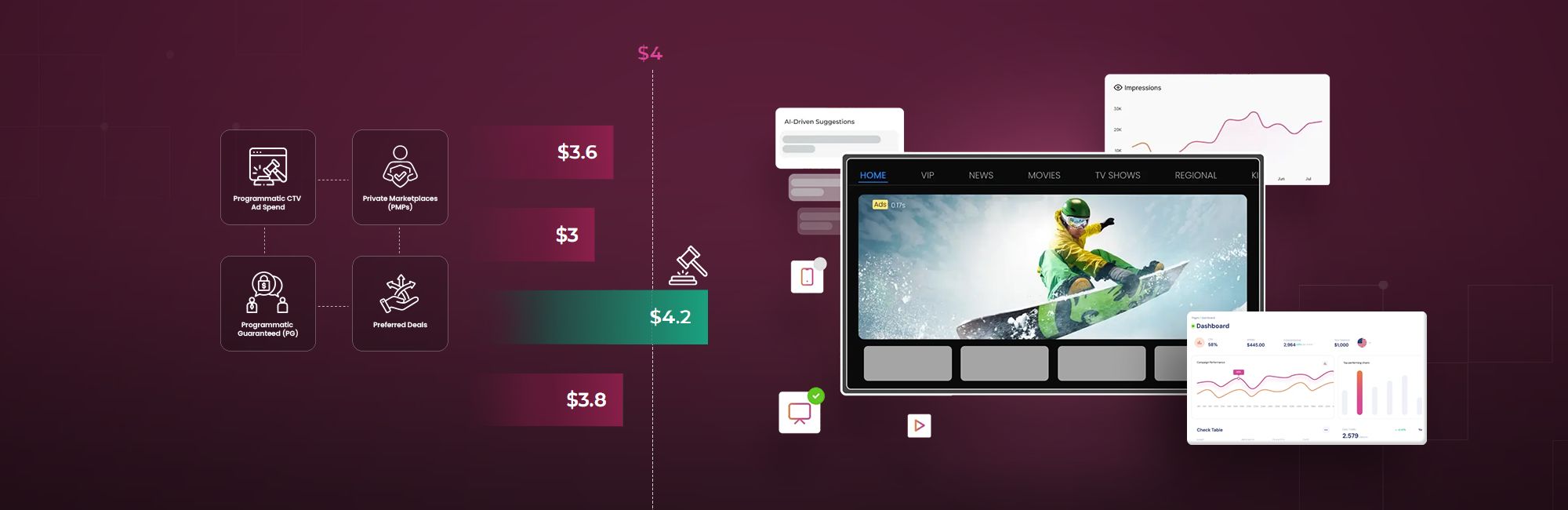
Open auctions for scale give campaigns maximum reach. Bid on any available inventory. Compete with all advertisers. Access virtually unlimited scale when needed.
Private marketplaces for premium provide quality guaranteed. Get first access to premium inventory before it hits open auction. Negotiate preferred pricing. Secure specific placements.
Programmatic guaranteed for volume delivers certainty. Commit to buying specific volumes at fixed prices. Get guaranteed delivery. Perfect when campaigns absolutely need specific reach.
Unified Platform Management
Single dashboard control simplifies everything. Unwire.tv provides one interface for managing CTV campaigns across premium inventory sources. No more logging into multiple platforms.
Cross-platform reporting gives unified visibility. See performance across all inventory sources in one place. No more pulling reports from 10 different platforms and trying to reconcile data.
Centralized optimization improves efficiency. Make changes once. They apply across all campaigns. Shift budgets between platforms with a few clicks. Optimization becomes exponentially easier.
Benefit #10: Superior ROI and Performance

Documented Performance Results
Industry benchmarks show CTV outperforming other channels consistently. According to eMarketer’s video marketing research, 61% of video marketers rated CTV highly for offering premium and high-quality content, with 60% citing premium brand lift and 46% highlighting targeting as key benefits.
Conversion rate comparisons favor CTV over many digital channels. The combination of full-screen attention, complete message delivery, and premium context drives higher conversion rates than banner ads or mobile video.
ROAS examples from real campaigns prove value. When advertisers can track sales impact directly, CTV often delivers among the highest returns on ad spend of any channel.
Cost Efficiency vs Traditional TV
Waste reduction through targeting transforms economics. Traditional TV made advertisers pay for everyone watching a show. CTV lets campaigns pay only for target audiences. The waste elimination alone often justifies CTV adoption.
Performance-based optimization ensures budgets work efficiently. Algorithms automatically shift spending to best-performing placements, times, and audiences. Budgets concentrate on what drives results.
Measurable impact on revenue lets brands prove value. When campaigns can trace CTV exposure to actual sales, calculating ROI becomes straightforward. Finance teams see exactly what return each CTV dollar generates.
Attribution Proof Points
Brand lift measurements quantify awareness impact. Before-and-after surveys show how CTV ads increase brand awareness, consideration, and favorability among exposed audiences versus control groups.
Sales impact studies connect advertising to revenue. Matched-market testing compares sales in markets with CTV advertising versus markets without. The difference shows CTV’s incremental impact.
Customer acquisition costs often run lower with CTV than with other channels. When dividing total campaign cost by new customers acquired, CTV frequently delivers better cost per acquisition than alternatives.
Benefit #11: Speed and Agility

Fast Campaign Launch
24-48 hour activation gets campaigns to market quickly. Traditional TV took weeks or months. Book inventory. Produce creative. Traffic materials. Wait for the air date. CTV platforms let brands launch within two days.
Quick creative approval speeds everything. Upload creative. The platform checks technical specs. Approval happens in hours, not days. Campaigns can launch same-day if creative’s ready.
Immediate live tracking shows results instantly. The moment campaigns go live, data starts flowing. Impressions visible. Completion rates tracked. Real-time visibility beats waiting for weekly reports.
Real-Time Optimization
In-flight adjustments let campaigns adapt instantly. Campaign underperforming? Change targeting immediately. Wrong audience? Adjust parameters. Creative not resonating? Swap it out. Don’t wait for campaigns to end to improve them.
Budget reallocation happens with a few clicks. Move money from underperforming placements to top performers. Increase daily budget when results justify it. Reduce spend when performance slows. Complete flexibility.
Target audience shifts based on learning happen automatically. Algorithms identify which audience segments convert best. The budget flows to those segments automatically. Continuous learning drives continuous improvement.
Rapid Testing Capabilities
Quick A/B tests accelerate learning. Test two headlines. Test two offers. Test two creative approaches. Results visible within days. Fast learning cycles let campaigns iterate rapidly.
Fast learning cycles compress months into weeks. Traditional TV testing took months. CTV testing takes days. Campaigns learn what works exponentially faster.
Iterative improvements compound over time. Each test teaches something. Each lesson informs the next test. Rapid iteration creates compounding performance improvements.
Benefit #12: Future-Proof Technology

Privacy-Compliant Targeting
Cookieless solutions work today. CTV never relied on cookies. The targeting methods CTV uses now work in tomorrow’s privacy-first world. Advertisers are building expertise in techniques that will only grow more important.
First-party data strategies put brands in control. Building direct relationships with customers gives consented data for targeting. CTV platforms integrate first-party data seamlessly.
GDPR and CCPA compliance built-in protects advertisers legally. Platforms handle compliance automatically based on viewer location. Brands don’t need separate campaigns for different regulatory regions.
AI-Powered Enhancements
Machine learning optimization gets smarter constantly. Every campaign generates data. AI systems learn from that data. Future campaigns perform better than past ones automatically.
Predictive analytics forecast outcomes before launch. AI examines campaign parameters and predicts likely results based on historical patterns. Advertisers know expected performance before spending a dollar.
Automated personalization scales one-to-one marketing. As AI capabilities grow, every impression can be personalized for each viewer. Mass marketing becomes mass customization.
Emerging Format Support
Voice-activated features coming soon will enable verbal responses to ads. Imagine viewers saying “Add to cart” or “Learn more” to their TV. The technology already exists. Widespread adoption is coming.
AR and VR integration potential creates immersive experiences. Augmented reality overlays could let viewers visualize products in their homes from TV ads. Virtual reality could enable product exploration without leaving the couch.
Shoppable evolution continues accelerating. Direct purchase from TV ads grows more seamless every quarter. The friction between seeing and buying shrinks constantly.
How Different Business Types Benefit from CTV
E-Commerce Brands
Direct response advantages make CTV powerful for online retailers. Add QR codes. Track scans. Measure website visits and purchases directly attributable to CTV exposure. Attribution clarity online retailers need.
Attribution clarity comes from tracking entire customer journeys. See TV ad. Scan QR code. Land on a website. Add to cart. Purchase. The entire path gets tracked and measured.
Customer acquisition efficiency improves when campaigns can target precisely and measure accurately. CTV delivers both. Target people likely to buy. Prove which exposures drove purchases.
Local Businesses
Geographic targeting precision lets local businesses compete. A restaurant targets only its delivery area. A retail store targets only the surrounding zip codes. Zero wasted impressions on viewers too far away to visit.
Competitive with national brands becomes possible. Local businesses use the same platforms as enterprises. They access the same targeting capabilities. Same measurement. Same quality. Budget size determines scale, not capabilities.
Affordable entry points through self-serve platforms make CTV accessible. Platforms accept small budgets. Local businesses test CTV without massive commitments.
B2B Advertisers
Decision-maker reach happens at home. B2B buyers watch streaming TV at home after work. CTV reaches them in relaxed environments where they’re receptive to new ideas.
Premium environment credibility elevates B2B brands. Advertising on major streaming platforms lends credibility. Association with premium content benefits B2B brands significantly.
Account-based targeting options let campaigns reach specific companies. Upload lists of target accounts. Target households where those decision-makers live. Precision B2B targeting on television screens.
Mobile App Marketers
Install campaign optimization drives app downloads efficiently. Campaigns can achieve strong install ratios for mobile app campaigns through precise targeting and optimization when using appropriate mobile performance platforms.
Cross-device user journey gets measured completely. TV ad drives awareness. Mobile device downloads app. In-app actions get tracked. Attribution connects TV exposure to mobile outcomes.
Performance tracking proves value. Mobile Measurement Partners integrate with advertising platforms. Track installs. Track in-app events. Calculate cost per install. Prove ROI clearly.
Maximizing CTV Benefits: Best Practices
Start with Clear Objectives
Defining success metrics guides everything else. What constitutes success? Brand awareness lift? Website traffic? Sales? Conversions? Define it clearly before launching.
Aligning benefits to goals ensures campaigns capture value. Different benefits matter for different objectives. Brand awareness campaigns emphasize reach and completion. Performance campaigns emphasize targeting and attribution.
Setting realistic expectations prevents disappointment. CTV delivers exceptional results. But it’s not magic. Understand what’s achievable given budget and targeting parameters.
Choose the Right Platform
Self-serve versus managed depends on resources. Have in-house expertise? Self-serve gives control. Need strategic guidance? Managed service provides support.
Inventory access comparison matters significantly. Some platforms access more inventory than others. Evaluate breadth and quality of available inventory carefully.
Feature set evaluation ensures capabilities match needs. Need advanced targeting? Verify the platform offers it. Need specific attribution methods? Confirm support before committing.
Invest in Quality Creative
Production standards matter on big screens. Poor video quality that’s acceptable on phones looks terrible on 65-inch TVs. Invest in proper production values.
Testing multiple versions reveals what resonates. Don’t assume what works. Test different messages. Test different creative approaches. Let data decide.
Optimizing for big screens requires specific choices. Visuals need to be clear from across the room. Text needs to be readable. Audio needs to be broadcast quality.
Implement Proper Tracking
Attribution setup enables measurement. Install tracking pixels. Create unique URLs. Set up promo codes. Build measurement infrastructure before launching.
Conversion pixel placement determines what gets measured. Place pixels on confirmation pages. Track key actions. Measure what matters to the business.
Cross-device measurement connects TV to other actions. Implement household-level tracking. Use attribution platforms. Measure complete customer journeys across devices.
Overcoming Potential Challenges
Managing Fragmentation
A multi-platform strategy provides necessary reach. One streaming service won’t reach entire audiences. Diversify across multiple platforms to achieve complete coverage.
Unified reporting solutions simplify measurement. Use platforms that aggregate data from multiple sources. Centralized reporting across all inventory sources.
Aggregation platform benefits include simplified management and centralized optimization. One dashboard. One login. One place to optimize campaigns across multiple inventory sources.
Ensuring Brand Safety
Verification partner use protects reputation. Integrate HUMAN, Pixalate, or similar partners. They verify impressions come from real devices and appear in appropriate content.
Content category controls let advertisers exclude inappropriate contexts. Set category exclusions. Ads won’t appear in excluded categories. Simple yet effective protection.
Quality inventory selection starts with vetting publishers. Work with established streaming services and platforms. Premium inventory usually includes better brand safety controls.
Attribution Complexity
Multiple attribution models tell different stories. Last-touch attribution credits the final touchpoint. Multi-touch distributes credit across the journey. Choose the model that fits the business.
Cross-device matching methods vary in accuracy. Deterministic matching (same login) provides certainty. Probabilistic matching (statistical inference) provides scale. Understand the trade-offs.
Realistic expectation setting prevents frustration. Attribution isn’t perfect. Some conversions won’t be tracked. Accept some uncertainty. Focus on directional accuracy over perfect precision.
The Future: How Benefits Will Expand (2026-2030)
Enhanced AI Capabilities
Smarter targeting algorithms will find audiences more precisely. Machine learning continuously improves. Future targeting will identify ideal audiences with uncanny accuracy.
Creative generation AI will produce ads automatically. Describe campaign objectives. AI generates video ads. Technology already exists in early forms. Expect rapid improvement through 2030.
Predictive performance modeling will forecast results with high accuracy. AI will analyze campaign parameters and predict outcomes within narrow ranges. Planning becomes more precise.
Better Attribution Technology
Cross-device improvements will connect journeys more reliably. Deterministic matching will become more common. Probabilistic methods will become more accurate. Attribution clarity improves steadily.
Deterministic matching advances mean more certain attribution. When viewers log into streaming services on multiple devices, those connections become trackable. Certainty replaces inference.
Clean room solutions enable privacy-safe collaboration. Advertisers and publishers analyze data together without sharing raw data. Privacy gets protected while measurement improves.
New Interactive Formats
Voice response ads let viewers respond verbally. “Add to cart.” “Learn more.” “Set a reminder.” Voice assistants integrated into TVs enable hands-free interaction.
Gesture-based interactions detect hand movements. Wave to interact. Point to select. Motion-based controls make ads feel futuristic and engaging.
Full e-commerce integration eliminates friction. See product. Buy a product. Without leaving the TV. Without picking up the phone. Complete purchase from the couch.
Market Consolidation Benefits
Simplified buying results from market maturation. Fewer platforms handling more inventory. Easier access to comprehensive reach. Less fragmentation.
Better measurement standards emerge from industry cooperation. Common currencies. Consistent methodologies. Cross-platform comparison becomes reliable.
Increased efficiency follows consolidation. Less redundancy. Better technology. Improved automation. The ecosystem gets easier to navigate every year.
Getting Started with CTV Advertising
Evaluating Readiness
Budget considerations come first. How much can be allocated? Even modest budgets work on CTV now. But understand minimum thresholds for meaningful testing.
Creative asset requirements include having video ads ready. Does the brand have 30-second commercials? Can production happen? Budget for production if needed.
Technical setup needs include tracking implementation. Can pixels be installed? Can unique landing pages be created? Ensure technical prerequisites are met.
Platform Selection Guide
The feature comparison framework helps evaluate options. List must-have features. Compare platforms systematically. Don’t assume all platforms offer everything.
Inventory access evaluation determines reach potential. Which inventory does each platform access? More isn’t always better, but breadth provides flexibility.
Support and service assessment matters for success. What support level is needed? Self-serve requires internal expertise. Managed service provides guidance.
Launch Strategy
Testing approach determines learning speed. Start with multiple targeting approaches. Compare performance. Learn what works before scaling.
Budget allocation between testing and scaling should be 20-30% testing, 70-80% scaling proven approaches. Balance learning with efficiency.
Optimization plan guides improvement. How often will performance be reviewed? What changes will be tested? Who’s responsible? Plan before launching.
Unwire.tv: Accessing CTV Benefits Through Professional Platforms
How Unwire.tv Delivers These Benefits
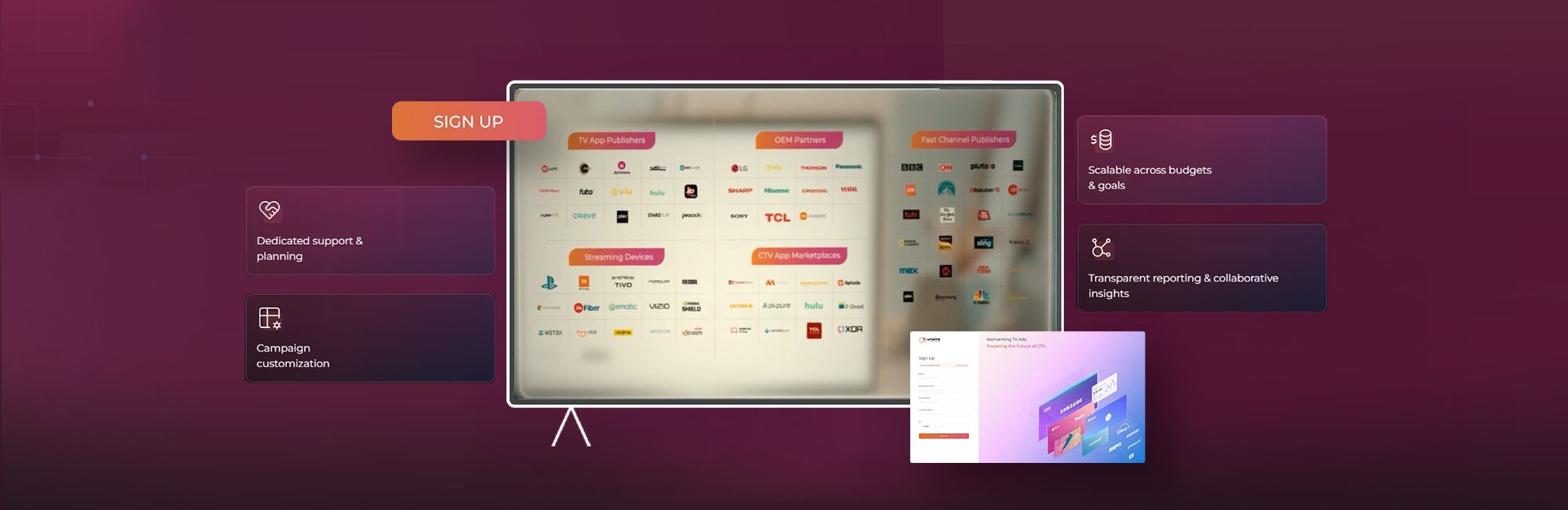
All 12 benefits in one CTV platform make advertising simple. Brands don’t need multiple vendors to capture CTV’s value. Unwire.tv by Xapads delivers comprehensive CTV capabilities in one unified platform.
Simplified access to complex capabilities removes barriers. Advanced contextual targeting. Real-time optimization. Smart Media Planner. All available through an intuitive interface without requiring technical expertise.
Transparent delivery and reporting build trust. See exactly where ads appear. Track performance in real-time. Export data freely. No black boxes. Complete transparency.
Unique Advantages
120M+ global reach provides exceptional scale. One platform connects advertisers to vast reach across premium CTV publishers worldwide.
Context-based targeting with Smart Media Planner enables precision. Unwire.tv’s contextual intelligence matches brand ads to the right viewing moments across premium CTV inventory automatically.
100% viewability and 99%+ fraud-free delivery through HUMAN and Pixalate verification. Every impression reaches real viewers. Every dollar works for the campaign.
Getting Started
The platform evaluation process begins with understanding campaign objectives. What are the goals? What targeting is needed? What measurement matters most?
Demo and onboarding happens quickly. Visit unwire.tv/book-demo to schedule a personalized demonstration and learn how Unwire.tv can deliver CTV benefits for specific business objectives.
Campaign launch support helps ensure success. Questions about targeting? Support available. Need creative guidance? Experts assist. Success matters to the platform and advertiser alike.
Frequently Asked Questions About CTV Advertising
1. What is the biggest benefit of CTV advertising?
The biggest benefit varies by business, but precision audience targeting ranks highest for most advertisers. This targeting capability lets campaigns reach specific audiences with precision impossible in traditional TV while measuring results accurately.
2. Do small businesses really benefit from CTV?
Absolutely. Self-serve platforms have democratized CTV. Small businesses target just their local area, paying only for impressions in their service radius. Geographic targeting precision means a local bakery advertises only to potential customers within delivery range without wasting budget on distant viewers.
3. How does CTV ROI compare to social media advertising?
CTV often delivers higher completion rates (95%+) than social media video (60-80%) because ads are non-skippable and viewers are more engaged. However, CTV CPMs typically run higher. The ROI comparison depends on specific metrics. For brand awareness campaigns, CTV usually wins. For direct response campaigns targeting very specific audiences, social media can compete effectively.
4. What makes CTV completion rates so high?
Three factors drive exceptional completion rates. First, most CTV ads are non-skippable, so viewers watch them completely. Second, lean-back viewing psychology on big screens means viewers are more receptive and less distracted. Third, premium content context creates engaged audiences who tolerate advertising better than in other digital environments.
5. Can advertisers measure actual sales from CTV ads?
Yes, through multiple methods. Attribution platforms track website visits and purchases from households exposed to CTV ads. Store visit attribution measures foot traffic increases. Unique promo codes link purchases directly to campaigns. Many advertisers successfully track CTV’s sales impact using these methodologies.
6. How much budget is needed to see benefits?
Minimum budgets vary by platform. Self-serve platforms now accept modest test budgets in the thousands of dollars. For meaningful learning, most advertisers should budget at least $2,000-5,000 for initial tests. Local campaigns run successfully on $500-2,000 monthly. National campaigns typically require $10,000+ monthly to achieve scale.
7. Are CTV benefits worth the higher CPMs?
Yes, when considering total performance. CTV CPMs run higher than display advertising or some social media placements. But CTV delivers 95%+ completion rates, 100% viewability, full-screen attention, and better brand safety. Don’t compare CPMs in isolation. Compare total cost per conversion or cost per desired outcome. CTV often wins on that metric.
8. How quickly can campaigns start benefiting from CTV?
Very quickly. With self-serve platforms, campaigns can launch within 24-48 hours if creative is ready. Performance data flows immediately. Results visible from day one. Unlike traditional TV’s delayed reporting, CTV shows benefits in real-time as campaigns run.
9. What if campaigns only want to reach local customers?
CTV excels at local targeting. Campaigns can target specific cities, zip codes, or even custom geographic boundaries. A restaurant targets only its delivery area. A retail store targets only the surrounding neighborhoods. Zero impressions wasted on viewers outside service areas.
10. How do advertisers prove CTV value to stakeholders?
Use multiple proof points. Show completion rates (95%+ versus 40-60% for display/mobile). Show viewability (often 100% versus 50-70% elsewhere). Track attributed website visits, conversions, or sales. Run brand lift studies comparing exposed versus unexposed audiences. Calculate ROAS including attributed conversions. Present both engagement metrics and business outcomes.
Conclusion
CTV advertising delivers twelve concrete benefits that justify the budget shifts happening right now across the advertising industry. Superior reach lets campaigns access 117 million U.S. households, including audiences traditional TV lost. Precision targeting enables household-level, geographic, demographic, and contextual targeting impossible before. Exceptional completion rates above 95% ensure complete message delivery.
Advanced measurement and attribution connect TV exposure to website visits, store visits, and sales. Budget flexibility makes CTV accessible to businesses of all sizes through self-serve platforms. Brand safety and quality environments protect reputation while building positive associations. Creative flexibility supports multiple formats from standard video through interactive QR-enabled ads.
Enhanced engagement through interactivity turns passive viewing into immediate action. Programmatic efficiency automates buying while optimizing performance continuously. Superior ROI and documented performance prove value to stakeholders. Speed and agility enable 24-48 hour launch and real-time optimization. Future-proof technology works in tomorrow’s privacy-first world.
With global CTV advertising revenue projected to hit $38 billion by 2027 and U.S. spending exceeding $40 billion, CTV has moved from emerging channel to essential component of modern advertising strategies.
The benefits are clear. The proof is documented. The technology is mature. The question isn’t whether CTV delivers value. The question is how quickly brands will capture that value for their business.
Platforms such as Unwire.tv provide dedicated CTV infrastructure with 120M+ global reach, 100% viewability, and 99%+ fraud-free delivery.. Visit Xapads.com to explore the complete programmatic advertising ecosystem spanning mobile, CTV, and emerging channels.
Related Post