
Hot Sale Mexico has rapidly evolved into one of the most influential digital commerce events, and with the e-commerce market projected to reach USD 62.16 billion in 2026, more consumers are moving their shopping habits online. Turning it into a high-intent retail moment where attention, discovery, and conversion unfold across multiple screens in real time.
For Mexican consumers, shopping journeys during Hot Sale are no longer linear. Even more, AMVO reports an expected 63% of omnichannel shoppers to be seen in 2026, with 27% being new buyers who plan to participate. This turns omnichannel into the only way forward in hot sales, to stay connected with consumers across every stage of their purchase journey. A product discovered on a Connected TV during a late-night streaming session can later convert through a mobile retargeting ad or a contextual video placement. The funnel has shifted from sequential to simultaneous.
Mexico’s Consumer Behavior is Redefining Commerce
Highly anticipated retail events like Hot Sale often begin before the sale officially launches. Also, reports suggest 82% of consumers research products up to three weeks before the event begins. Consumers plan ahead – browsing products, comparing options, and building consideration sets early. By the time the sale goes live, many are already primed to convert.
Moreover, Mexico’s digitally connected audience increasingly consumes content across streaming platforms, mobile devices, and short-form video ecosystems at the same time. This behavioral shift is accelerating the importance of omnichannel advertising strategies powered by programmatic intelligence. Connected TV (CTV) has emerged as one of the most premium attention environments during high-commerce periods.

Unlike traditional video environments, CTV combines large-screen immersion with measurable, data-driven targeting.
The Performance TV Edge for Hot Sale
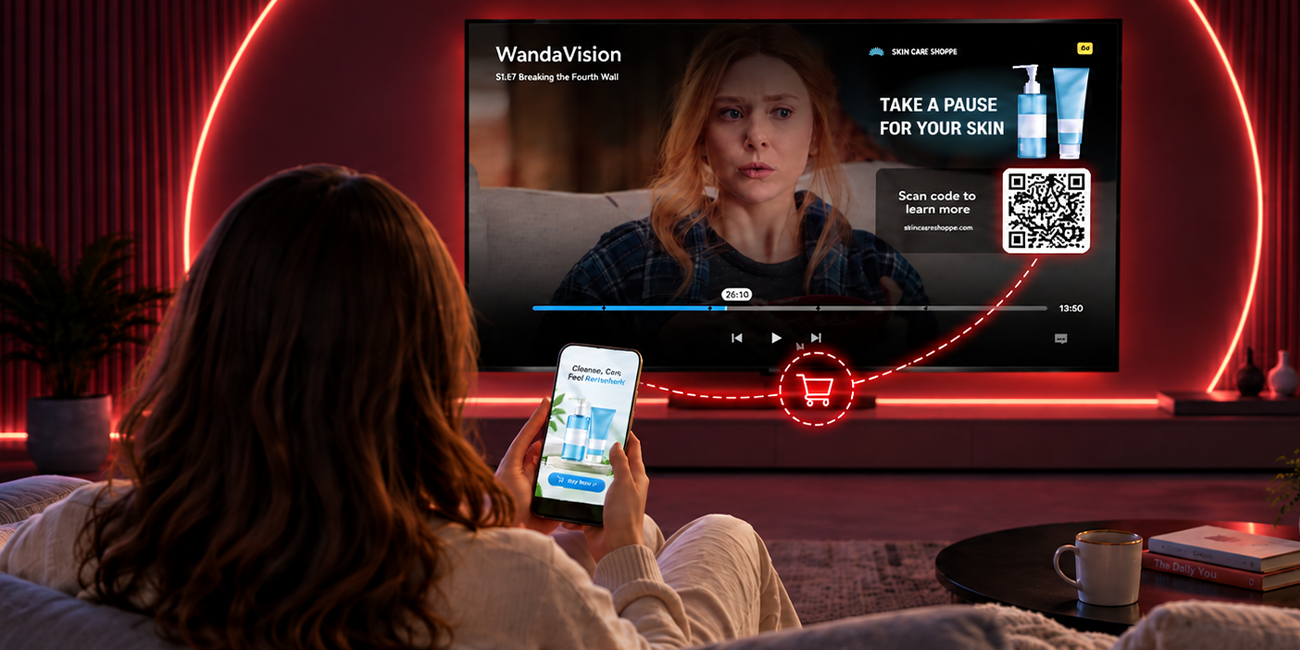
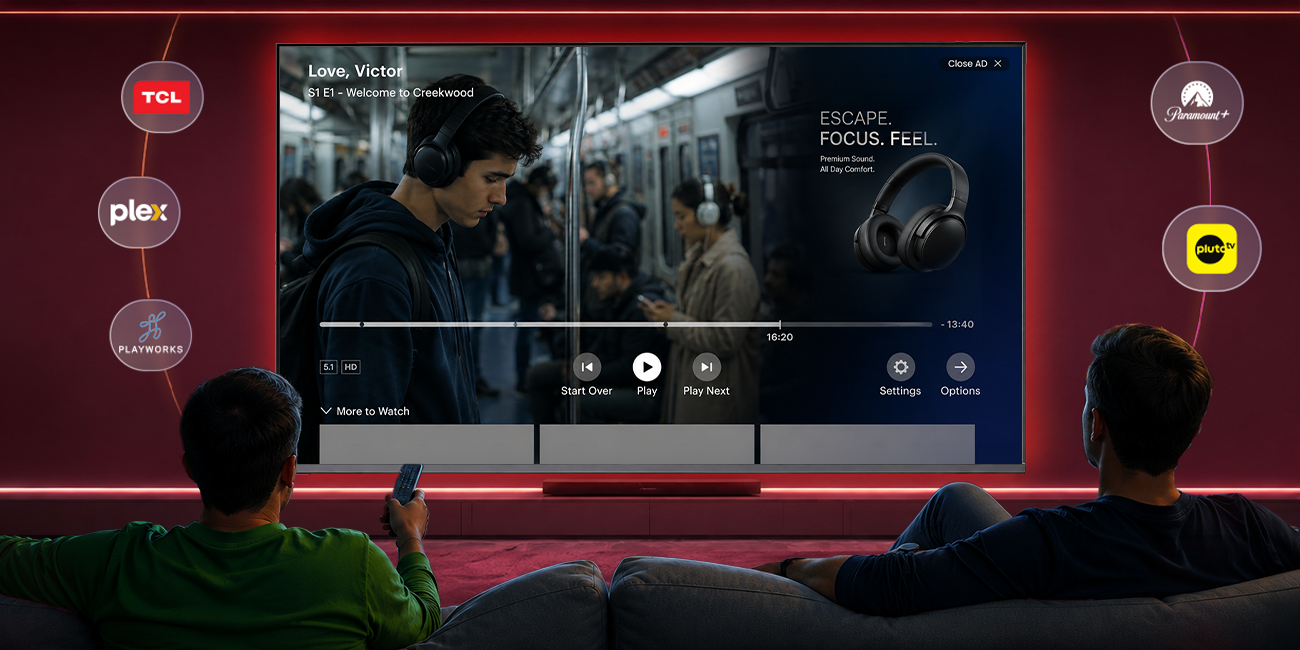
Modern CTV formats are built not just for storytelling but for action. Pause ads, home screen takeovers, and QR-enabled creatives are transforming CTV into interactive commerce touchpoints, allowing users to instantly visit landing pages, download apps, or engage with offers directly from the big screen.
At the same time, cross-device retargeting enables brands to reconnect with exposed audiences across mobile, desktop, and in-app environments using multiple & interactive formats. Cross-device retargeting bridges that gap by tracking exposure signals and re-engaging users across screens. The result is a connected attention ecosystem where CTV ads and performance no longer operate separately.
Programmatic: The Intelligence Layer Behind Hot Sale
The true advantage during Hot Sale lies in programmatic precision. Modern programmatic infrastructure enables advertisers to activate curated inventory across CTV, web, and apps using advanced targeting. Brands can align campaigns with relevant streaming environments through contextual targeting, while audience segmentation helps identify high-value consumers based on viewing behavior, location, language, and device signals.
At the same time, cross-device identity mapping enables advertisers to extend engagement beyond the TV screen, reconnecting exposed audiences across mobile, desktop, and in-app environments throughout their purchase journey. AI-powered optimization continuously refines delivery, placements, and frequency in real time, helping campaigns adapt to changing consumer behavior and maximize performance during peak shopping periods. This allows brands to reach users not just based on who they are but also on what they are watching, when they are watching, and how engaged they are in that moment.
Trust, Transparency, and Brand Safety
Equally important is the quality of the environment in which these impressions are delivered. In a high-stakes retail period, brand safety and transparency are non-negotiable.

Verification layers powered by Pixalate help ensure that every impression is not just seen but seen in a trusted, brand-safe context. In an environment flooded with inventory, verified attention becomes a competitive advantage with clean, verified supply paths across CTV and programmatic ecosystems.
The Mexican market further reinforces the need for this approach. While mobile remains the primary transaction device with 74% of traffic recorded last year during hot sales, trust and product discovery are often built on the largest screen in the home. Users engage with content in shared, lean-back environments, then transition to personal devices to complete purchases. Payment preferences, deal sensitivity, and platform familiarity all shape this behavior.
To conclude, in a compressed commerce cycle, the most successful advertisers are those who treat programmatic CTV not as a “reach” tool, but as the top of a highly integrated conversion funnel. By utilizing a partner that can bridge the gap between the living room and the pocket, advertisers can ensure that their week-long journey ends exactly where it should.
Related Post