Attention today hasn’t disappeared, but it has simply become faster, fragmented, and far more difficult to earn meaningfully. Today’s users don’t sit through content; they swipe through it. Decisions are made in seconds, engagement happens in bursts, and relevance is judged instantly. In this environment, advertising is no longer competing just for attention; in fact, it’s competing to fit seamlessly into the exact moment a user is experiencing. Nowhere is this shift more visible than on YouTube Shorts.Where Scale Meets Behavioral Shift
With hundreds of billions of daily views globally and over 151 million logged-in users in Indonesia, YouTube Shorts has rapidly become the epicenter of mobile-first content consumption. But its real impact goes beyond scale. It reflects a deeper behavioral reset, one where content is vertical, continuous, and consumed in rapid succession, revealing intent not as a fixed identity but as something that evolves moment by moment.
Why Audience Targeting Is Not Enough
Traditional advertising has long relied on audience definitions: demographics, interests, and browsing history. But in a Shorts-driven environment, these signals quickly become outdated. A user moving from Mukbang video to fitness clips to smartphone reviews within minutes isn’t fitting into a single persona. Instead, they’re expressing dynamic intent shifts in real time. To stay relevant, brands need Pulse and its context-based targeting that allows brands to understand the user and their content consumption patterns.
Powering Context-First Advertising
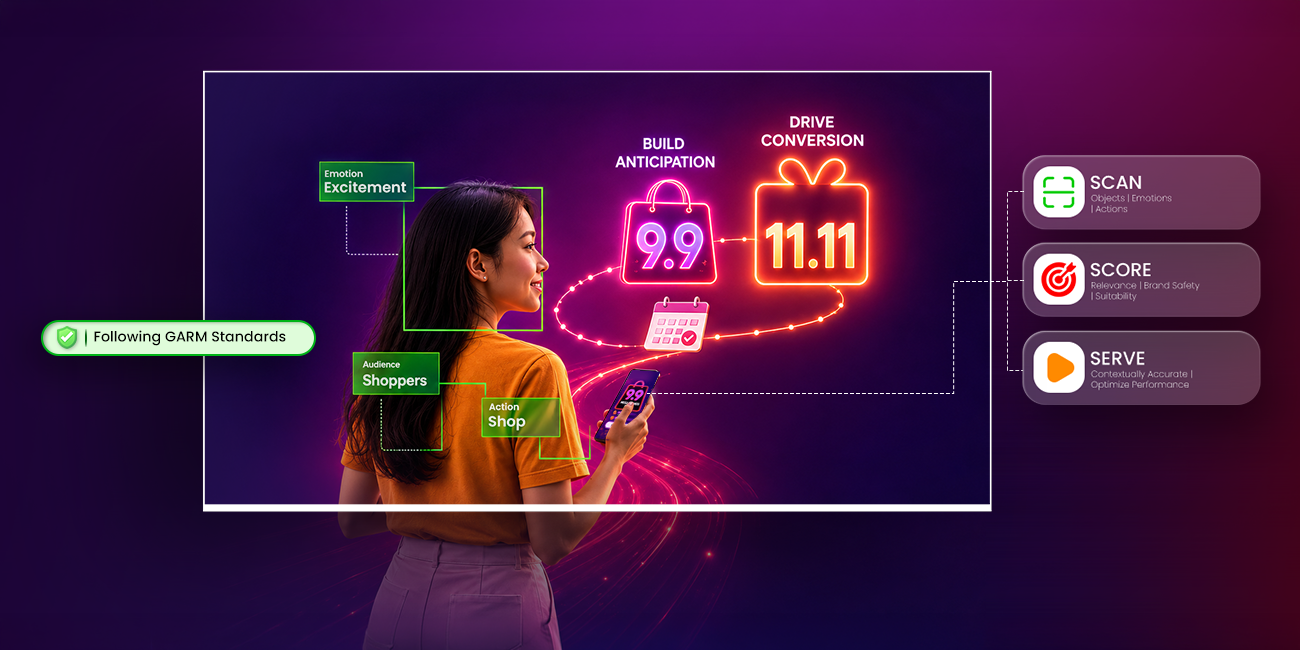
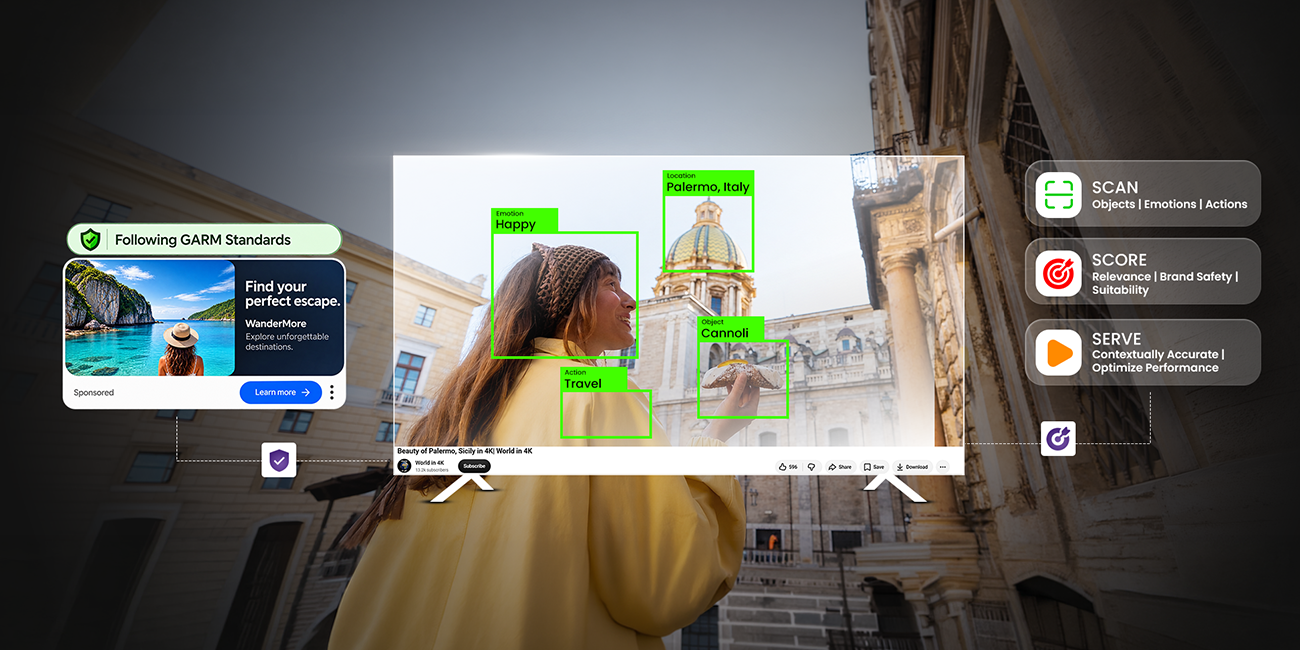
Pulse transforms the equation with its AI-powered, context-first intelligence layer that understands video content at a granular level. Instead of relying solely on historical signals, it operates through a continuous cycle:
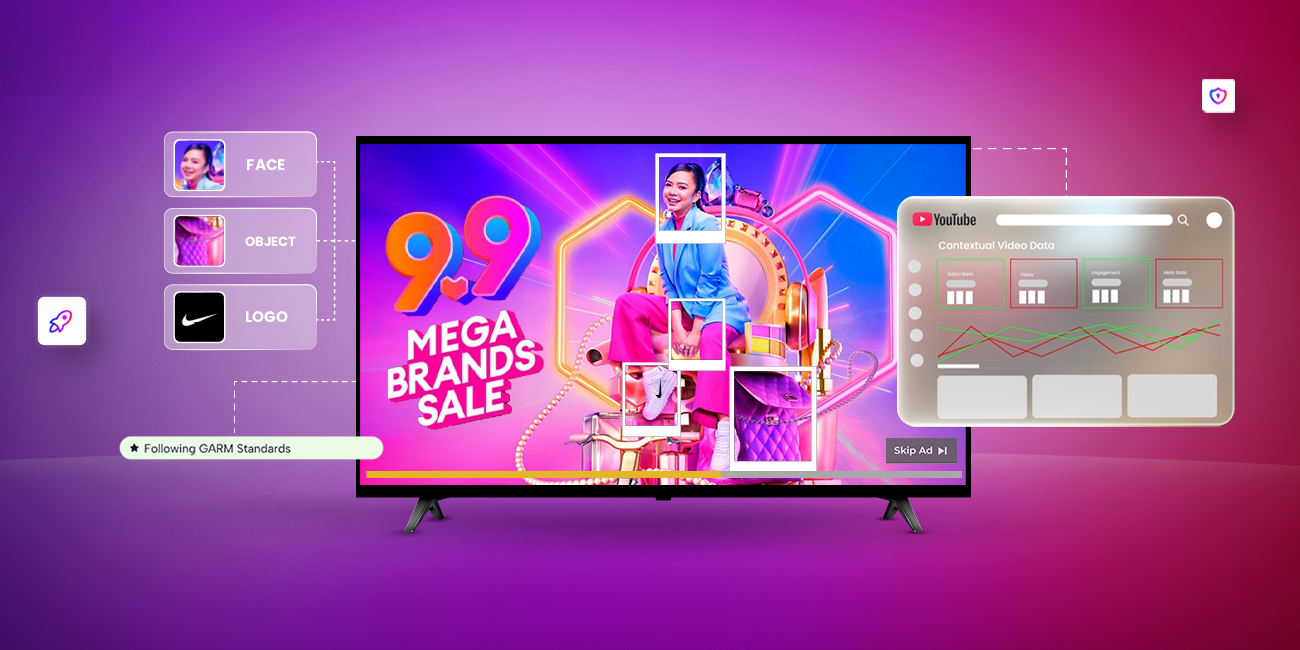
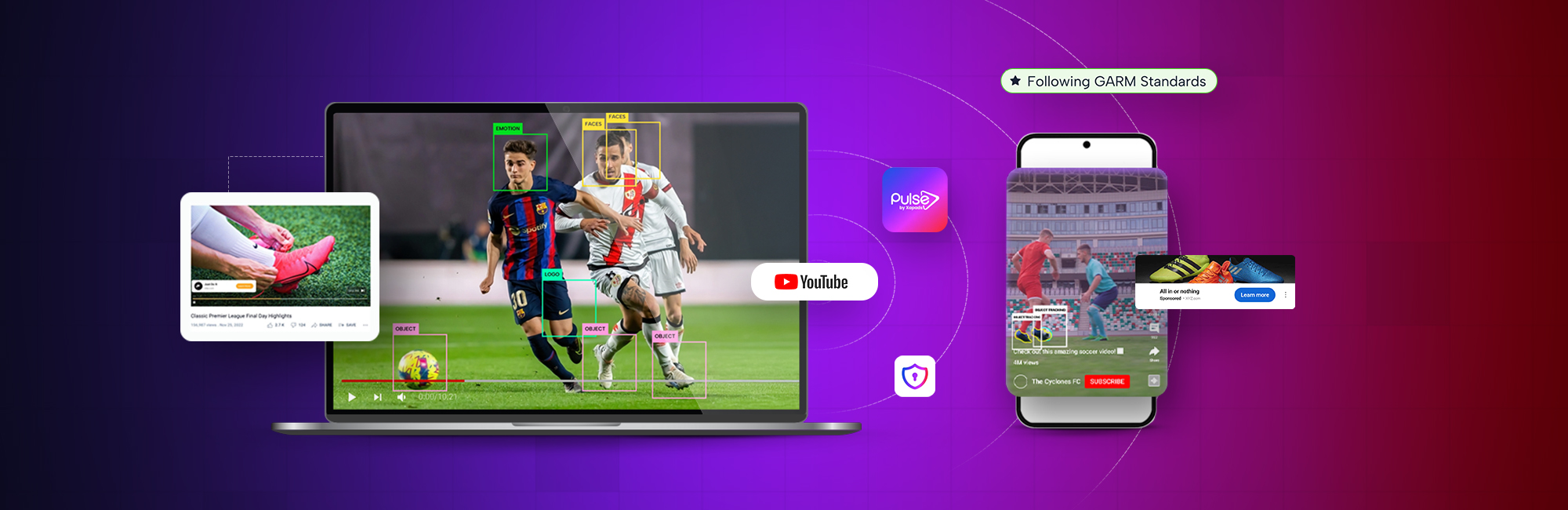
Scan: Analyzes video frame by frame, detecting objects, faces, scenes, emotions, and audio cues.
Score: Evaluates each moment for contextual relevance, engagement potential, and brand safety.
Serve: Delivers ads at high-impact moments where attention and relevance peak.
This ensures that ads are not just placed within content categories but are aligned with specific, meaningful moments inside the video itself.
What Context Really Means in a Shorts Environment
Context today goes far beyond keywords or content categories. It’s about understanding the full environment of a moment:
What the user is watching (scenes, objects, actions)
What the user is likely feeling (emotion, intensity, tone)
What the moment represents (celebration, curiosity, urgency)
By decoding these signals in real time, Pulse enables brands to deliver messaging that feels native to the experience.
Leverage Moment Marketing in Live Sport Events
The power of this approach becomes especially clear during high-intensity live sports moments. An emotionally charged, high-attention viewing experience immerses a user watching a sequence of match highlights, such as a last-minute turnaround or a standout player performance. Instead of relying on past behavior, brands can respond in real time with messaging that aligns with the moment. In a mobile-first, video-heavy market like Indonesia, this makes communication feel more relevant, timely, and seamless, enhancing engagement without interrupting the experience.
Extending Impact Across Screens
The influence of Shorts doesn’t end within the format. It acts as a trigger layer in a broader, connected ecosystem. For example:
Shorts captures early attention and emerging intent
Mobile reinforces and validates that intent
CTV delivers deeper storytelling and brand immersion
By carrying contextual signals across these environments, brands can create more cohesive journeys where each touchpoint builds on the previous one instead of starting from scratch.
To conclude, in a market like Indonesia, where scale is abundant but attention is fleeting, the challenge is not reaching audiences; it’s staying relevant within their rapidly shifting consumption patterns. YouTube Shorts has already captured the attention layer. Pulse helps with the next phase of growth that helps brands interpret that attention and respond to it in real time. Because in today’s attention economy, it’s not enough for brands to be present; they must be contextually placed and present!
Elevate your targeting strategy with context-driven advanced-level targeting, Pulse.
Related Post