Each year, International Women’s Day returns as a big commercial window, as markets witness a sharp rise in shopping activity in the week leading up to March 8. Last year, the market recorded a 26% increase in daily orders across categories as people found ways to celebrate the women in their lives. But many brands remain stuck in the assumption that women are the only target audience, missing the wider audience. With the right dashboard, however, the story can change!
Meet the Right Audience at the Right Time
Shoppers browse across channels before making a decision, and a unified mobile performance platform maps this behavior to offer advertisers clarity on who they are, where to find them and when. These include a climb in gift searches (“gift for wife,” “gift for mom,” etc.), shared wishlists across family accounts, and household logins revisiting product pages. These signals reveal that Women’s day is not driven by women alone but shaped by the circle around them. And as influence becomes collective, shoppers fall into three groups: gift-givers, self-purchasers, and cause-driven buyers, each carrying different motivations, timelines, and expectations.
This is why Women’s day campaigns that speak to only one persona feel incomplete, and they miss the moments when purchase intent is actually formed. User activities reportedly begin 2 weeks in advance as category views rise. Consumers research across multiple channels before purchasing, moving between devices and platforms in a connected journey. Each interaction feels small, but it becomes embedded in their memory. By the time price comparison begins, brand preference is already forming. That is why influence is the real KPI of Women’s day planning.
Mobile AI-led Segmentation for the Win
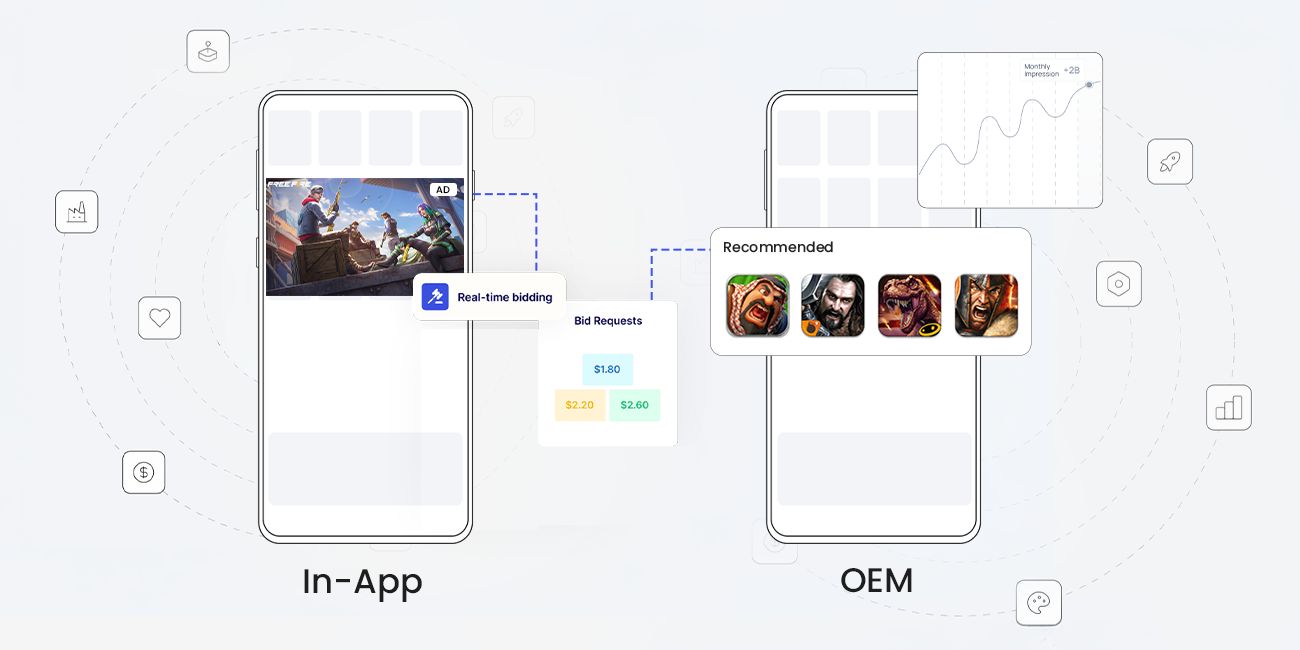
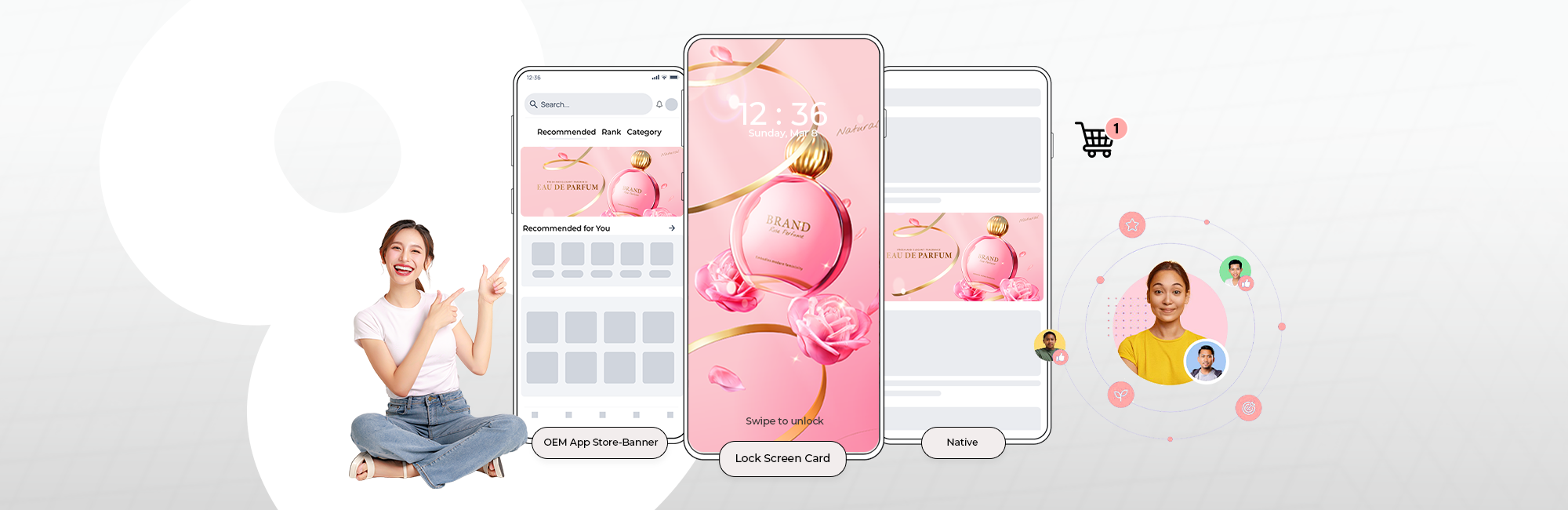
This influence often starts in places advertisers overlook – OEM. System-level environments such as lock screens, device recommendations, pre-installed apps etc capture attention during idle moments, before active shopping begins. They introduce ideas naturally, planting brand memory. This is powered by context signals that identify discovery moments, offer device-level insights that reveal patterns across shared households, and sequential creativity that inspires decisions. Consideration then deepens inside apps like shopping platforms and video environments, where consumers save ideas, share links, and compare options. Sequential storytelling across these touchpoints builds familiarity, which further builds trust. When the consumer finally reaches a marketplace or product page, the decision feels easier because the brand already feels known.
Here, SKU-level intelligence plays a key role – it helps advertisers find buyers that would be interested in their product at the right time and on the right platform. This brings about subsequent boost in performance with segment-driven delivery:
Men searching last-minute gifts → show fast-delivery SKUs, bundled offers, and easy checkout options.
Women self-purchasing → highlight curated collections & special sales aligned with browsing patterns.
Cause-driven buyers → surface women-owned brand collections and purpose-led messaging.
Cart Reminders Post Women’s Day
Even after the sale ends, cart-recovery triggers help reconnect undecided shoppers with relevant ads or reminders. Retargeting after March 8 extends campaign value beyond the event window and captures late-decision buyers who were researching earlier.
Moving ahead, brands must map the full purchase journey and recognize the collective influence of the ‘circle around her.’ Success in the next generation of commerce belongs to brands that anticipate emotion and guide discovery across moments, screens, and relationships.
The opportunity for advertisers is simple but urgent: start planning for the audience around her, not just her alone. Build campaigns that guide discovery, nurture trust, and simplify decision-making across the full journey. Because in the next generation of commerce, performance will belong to brands that anticipate emotion.
Find your right audience with Xapads!
Related Post